
Recently, the first phase of the Astana Light Rail Transit (LRT), Central Asia’s first fully automated urban rail transit line, officially commenced operations. Shenzhen Mason Technologies Co., Ltd. provided LED lighting solutions for station signage and wayfinding systems both inside and outside the stations for this project.
From the international airport to the presidential palace, light rail trains run through this extremely cold region. Station name signs, directional signs, advertising light boxes – every illuminated area is backed by technical support from a Chinese enterprise.
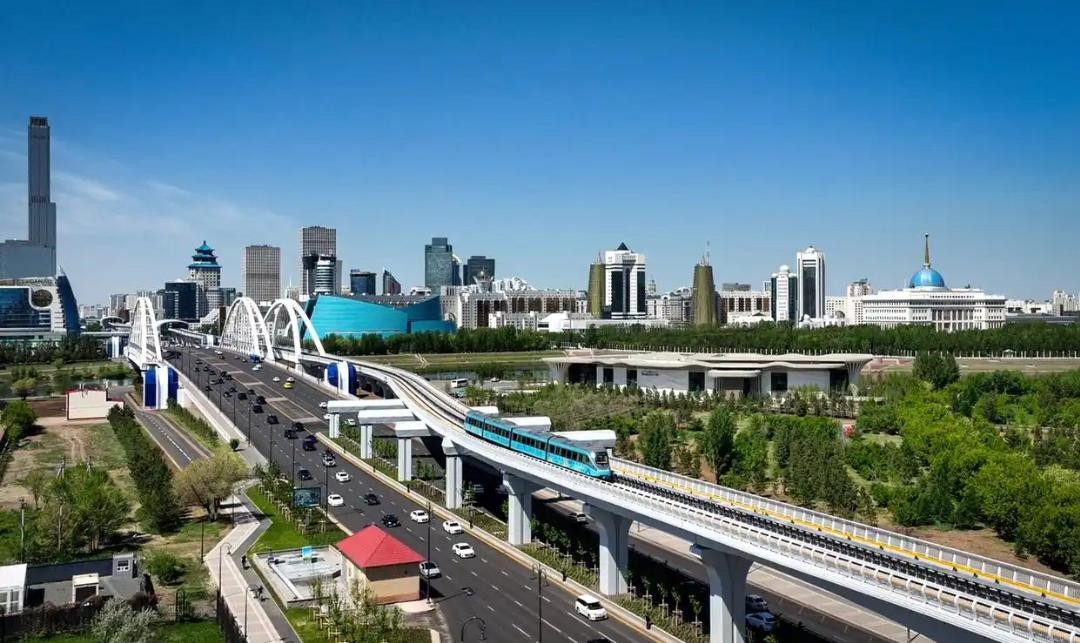
Phase 1 of the Astana LRT spans 22.4 kilometers with 18 stations. It is Central Asia’s first modern light rail project fully adopting Chinese standards and Chinese equipment. Located in a high-altitude, frigid region, the area experiences extreme minimum temperatures as low as -51.6°C. The long and harsh winter presents not only a major challenge to rail operations but also a severe test for auxiliary equipment such as station signage and wayfinding systems.
“In Astana, winters are very cold. On outdoor platforms with temperatures as low as -40°C, the stability of ordinary LED lights is greatly affected, leading to flickering, light decay, or failure,” recalled the project manager from Mason Technology. Thanks to years of technical accumulation in rail transit LED signage lighting, Mason Technology has firmly established the “Chinese solution” in the heart of the Eurasian steppe.
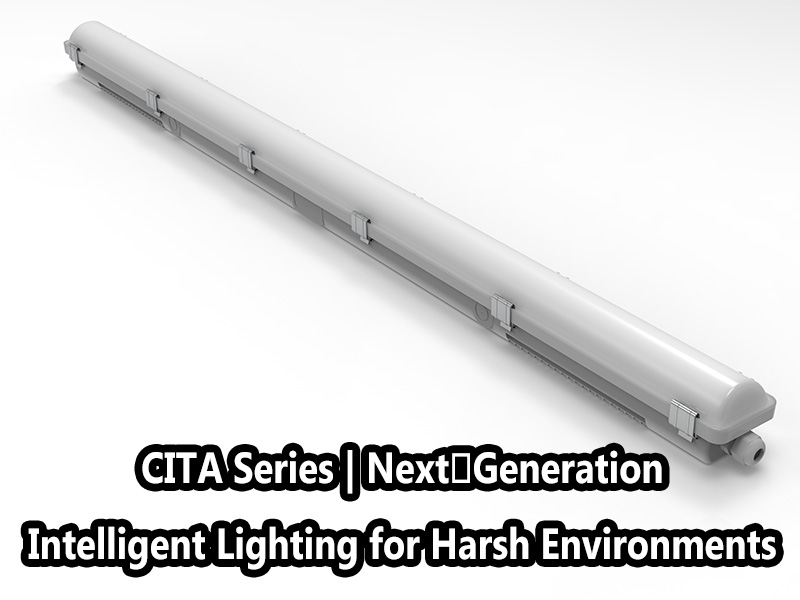
To address the local extreme cold and large temperature fluctuations, Mason Technology carried out a series of targeted technical breakthroughs. “We adopted wide-temperature-range electronic components and specialized packaging processes to ensure that the luminaires can start up stably even in extremely cold environments of dozens of degrees below zero,” explained an engineer from Mason Technology. Additionally, the products feature high-level moisture resistance, dust resistance, and anti-condensation capabilities, allowing them to adapt to frequent temperature changes both inside and outside the stations. Through rigorous thermal management and aging tests, the luminaires achieve long life and low light decay, effectively ensuring operational guidance efficiency and safety. “When the lights are on, passengers feel at ease,” said the Mason Technology project manager. In the harsh winter of Astana, these LED light sources from China silently safeguard every passenger’s journey.
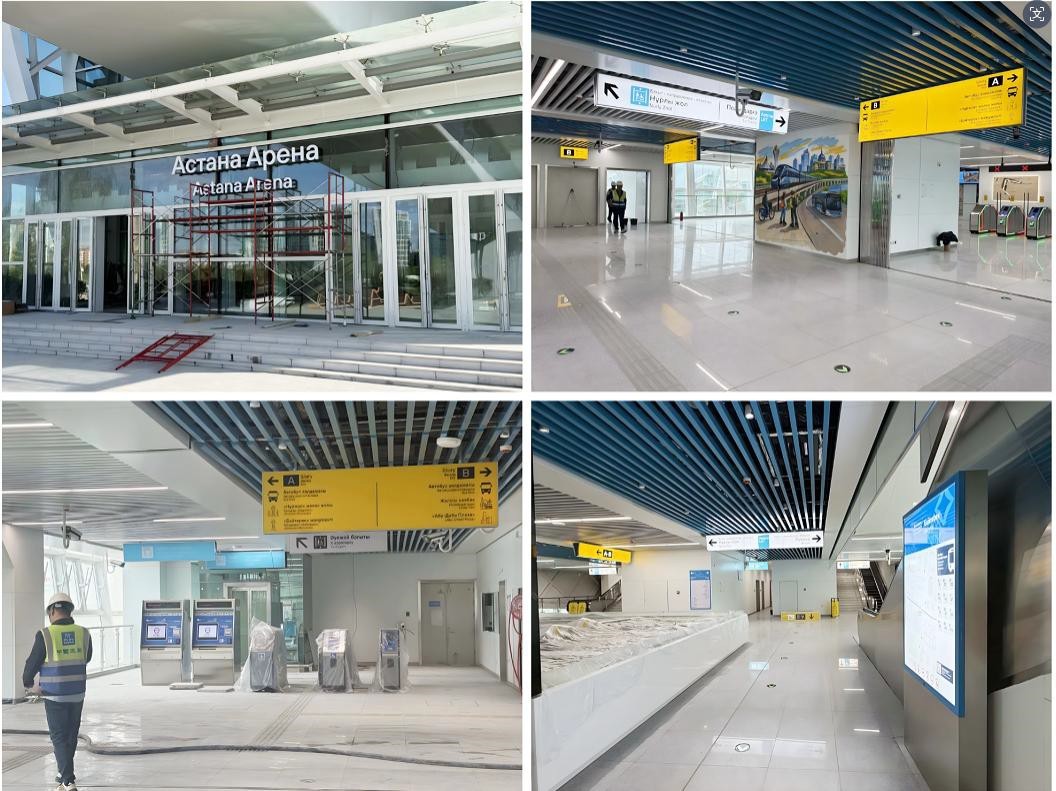
This project is an important practice in Mason Technology’s implementation of the “Going Global” globalization strategy of the Yangtze River Industry Group. It has verified the outstanding performance of Mason Technology’s products in extreme cold environments and has set a benchmark for Chinese LED lighting companies in rail transit applications in overseas high-altitude cold regions.
The head of Mason Technology stated that the company will continue to expand into rail transit lighting markets in Russia, Mongolia, Central Asia, and other regions with similar climates, further growing its overseas business presence and contributing more “Chinese solutions” to rail transit construction in the world’s high-altitude cold regions.