Industrial LED Lighting Solutions & Supplier | MASONLED

MASONLED delivers customized industrial LED lighting solutions for factories and warehouses. We are a leading China manufacturer and exporter of high-performance lighting products.

+86-769-89950999

Why does your factory need to upgrade traditional lighting, led industrial lights supplier provide solutions?

The Hidden Costs of Traditional Factory Lighting

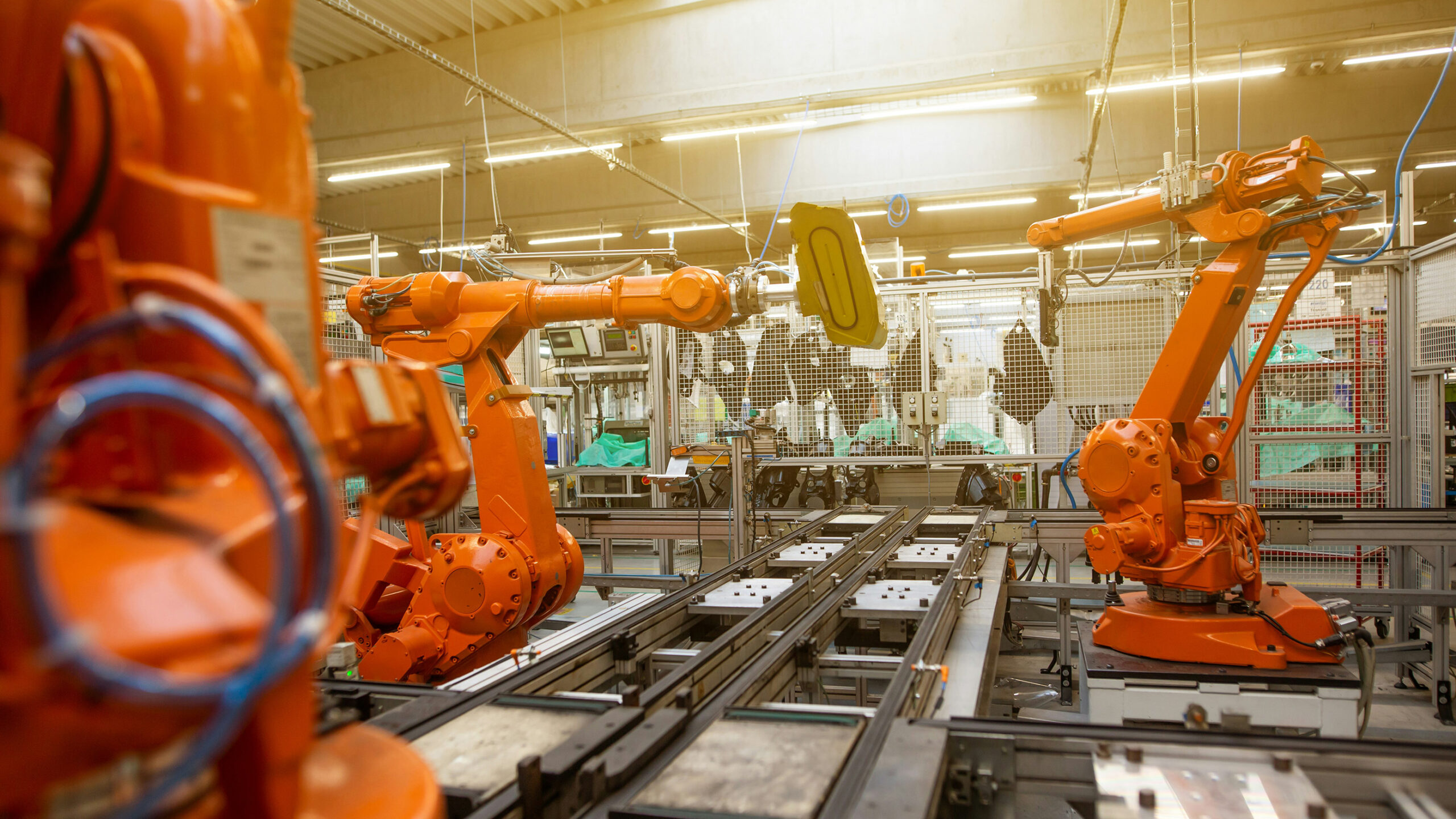
Many factories cling to outdated fluorescent tubes or high-pressure sodium lamps under the illusion of cost savings. Yet these traditional systems silently drain resources while compromising operations. Consider these hidden expenses:

  1. Sky-High Energy Bills: Antiquated lighting converts over 60% of electricity into heat rather than light, inflating energy costs unnecessarily.
  2. Constant Maintenance Cycles: Frequent bulb replacements halt production, require lift equipment, and incur substantial labor expenses.
  3. Productivity Loss from Poor Illumination:
    • Uneven lighting creates hazardous shadows and eye-straining glare
    • Low color accuracy (CRI) causes quality control errors
    • Invisible flicker induces headaches near machinery
  4. Safety Risks: Inadequate illumination contributes to trip hazards and accident rates in warehouse aisles and assembly zones.
  5. Environmental Penalties: Mercury-containing bulbs violate modern sustainability standards while excessive energy consumption inflates carbon footprints.

The Transformative Power of LED Industrial Lights

Upgrading to LED industrial lights delivers measurable operational advantages that extend far beyond basic illumination:

  1. Radical Energy Reduction: High-efficiency LEDs slash power consumption by 50-70%, with immediate ROI visible on utility bills.
  2. Decades-Long Service Life: Rated for 50,000-100,000 hours, these lights eliminate frequent maintenance disruptions.
  3. Enhanced Visual Performance:
    • Uniform brightness eliminates dark zones across workstations
    • 90+ CRI ensures accurate color discrimination
    • Flicker-free operation reduces worker fatigue
  4. Industrial-Grade Resilience: IP65/IK08 rated fixtures withstand dust, moisture, and impacts in demanding environments.
  5. Smart Integration: Compatibility with motion sensors, daylight harvesting, and centralized controls enables further energy optimization.

Why Partner with a Specialized LED Industrial Lights Supplier?

Selecting the right industrial lighting partner transforms this upgrade from a commodity purchase into a strategic investment:

Technical Expertise Matters

General lighting suppliers lack the specialized knowledge required for complex industrial spaces. A dedicated LED industrial lights supplier brings:

  1. Understanding of unique challenges: high ceilings, extreme temperatures, washdown areas
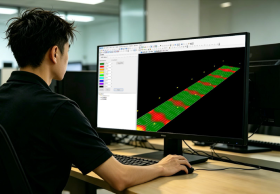
  2. Advanced photometric planning using DIALux/AGI32 software
  3. Precision matching of fixture types (high bays, linear, tri-proof) to specific zones

The Factory-Direct Advantage

Partnering with a LED industrial lights factory unlocks significant benefits:

  1. Cost Efficiency: Eliminating intermediaries means competitive pricing without quality compromise.
  2. Vertical Quality Control: ISO-certified manufacturing with in-house UL/TUV labs ensures consistency.
  3. Customization Capabilities: Leading China factories offer comprehensive OEM/ODM services for:
    • Application-specific wattages and beam angles
    • Specialized mounting solutions
    • Branding integration
  4. Supply Chain Reliability: Direct control over production prevents project delays for wholesale orders.

Comprehensive Support Infrastructure

Reputable suppliers provide end-to-end service:

  1. Pre-installation lighting simulations and energy savings projections
  2. Global logistics coordination for timely delivery
  3. Extended warranties with local technical support networks
  4. Compliance assurance (DLC, CE, RoHS, SAA certifications)

Light Up Your Future with the Right Partner!

Transitioning to LED industrial lighting represents one of the highest-return investments for modern manufacturing facilities. Beyond dramatic energy savings, you gain enhanced safety, productivity, and sustainability credentials. Partnering with an experienced LED industrial lights supplier that operates as a direct LED industrial lights factory ensures optimal solutions tailored to your unique environment through their customization (OEM/ODM) capabilities.

Ready to transform your facility's efficiency and operational performance? Contact our engineering team today for a complimentary lighting audit and project quotation. Let's illuminate your path to industrial excellence together.

APPLICATION

MasonLED delivers tailored lighting solutions for streets, warehouses, factories, parking lots, and cold storage. With custom ODM/OEM support, we optimize optics, thermal management, and IP ratings to match your project needs – backed by 16+ years of expertise and a CNAS‑accredited lab.

LED Industrial Lighting Application Technical Guide

Introduction

Industrial lighting serves as the backbone of modern manufacturing, logistics, and warehousing operations. Unlike commercial or residential lighting, industrial environments demand fixtures that deliver consistent illumination under challenging conditions—extreme temperatures, airborne dust, moisture, vibration, and continuous operation schedules. LED technology has fundamentally transformed this landscape, offering energy savings of 50–70% compared to traditional metal halide or high-pressure sodium systems, along with service lives exceeding 50,000 hours and significantly reduced maintenance requirements.

This guide provides a comprehensive technical reference for specifiers, facility managers, and procurement professionals—covering industry standards, performance parameters, product selection criteria, optical design principles, installation best practices, and quality assurance frameworks for LED industrial lighting applications.

1. Industry Standards and Regulatory Framework

1.1 IES Standards – The Foundation of LED Performance Measurement

The Illuminating Engineering Society (IES) has established the core standards that govern how LED lighting products are measured, evaluated, and compared:

IES LM-79 – Approved Method for Electrical and Photometric Measurement of Solid-State Lighting Products. This standard defines the testing environment (ambient temperature of 25°C±1°C), procedures, and parameters for measuring total luminous flux, electrical power, luminous efficacy, intensity distribution, and chromaticity characteristics of LED luminaires. LM-79 testing is referenced by virtually all major certification programs, including DLC and ENERGY STAR.

IES LM-80 – Approved Method for Measuring Lumen Maintenance of LED Light Sources. This standard requires LED packages, modules, and arrays to be tested at multiple case temperatures (typically 55°C, 85°C, and a third temperature) over a minimum of 6,000 hours (recommended 10,000 hours) to measure lumen depreciation over time.

IES TM-21 – Projecting Long-Term Lumen Maintenance of LED Light Sources. This standard uses LM-80 test data to extrapolate L70 (time to 70% lumen maintenance) and L50 lifetimes, providing a reliable basis for warranty claims and lifecycle cost calculations.

IES LM-84 – Approved Method for Measuring Luminous Flux and Color Maintenance of LED Lamps, Light Engines, and Fixtures. This standard addresses the photometric performance changes of SSL systems over time, with primary considerations being lumen maintenance and color maintenance.

IES RP-7 – Recommended Practice: Lighting Industrial Facilities. This is the comprehensive reference for industrial lighting design, covering illuminance recommendations, uniformity ratios, and quality lighting practices including safe movement of vehicles and people, enhancing productivity and comfort of employees, conserving energy, and minimizing maintenance.

1.2 DLC (DesignLights Consortium) Requirements

The DLC maintains the most influential list of high-performing LED luminaires and commercial lighting products globally. DLC qualification is essential for utility rebate programs across North America.

SSL Technical Requirements V5.1 (currently active, with V6.0 effective January 5, 2026) establishes requirements for:

  • Efficacy – Standard requirements vary by product category; Premium qualification requires +15 lumens per watt over Standard requirements

  • Quality of light – Spectral quality, discomfort glare, and light distribution

  • Controllability – Dimming capability and control protocol reporting

For industrial high-bay applications, DLC Premium typically requires efficacy ≥150–170 lm/W depending on product category.

1.3 Safety Certifications

Certification Scope Key Markets
UL / ETL Electrical safety, component-level and luminaire-level testing North America
CE Health, safety, and environmental protection standards European Union
ENEC European Norms Electrical Certification (higher rigor than CE) Europe
SAA Electrical safety for lighting equipment Australia
CCC / CQC China Compulsory Certification / Quality Certification China

1.4 Chinese Industrial Lighting Standards

T/SLDA 006—2022 – The first group standard for LED UFO high-bay luminaires in China, effective October 20, 2022. This standard specifies terminology, definitions, technical requirements, test methods, and inspection rules for LED luminaires in the UFO high-bay series. Technical requirements cover appearance, marking, structure, materials, ingress protection, safety performance, power supply adaptability, environmental adaptability, photometric performance, noise, electrical safety, electromagnetic compatibility, reliability, and intelligent control.

DB37/T 3568.4-2019 – Green Lighting LED Luminaires, Part 4: LED High-Bay Luminaires, applicable to industrial and mining facilities.

2. Key Performance Parameters

2.1 Luminous Efficacy (lm/W)

Luminous efficacy measures how efficiently a luminaire converts electrical power into visible light. For modern industrial LED lighting:

  • Entry-level: ≥100 lm/W

  • Standard commercial: 130–150 lm/W

  • High-performance: ≥160 lm/W

  • Industry leaders: Up to 190–200 lm/W

According to U.S. Department of Energy data, approximately 23% of industrial LED products listed with LED Lighting Facts achieve efficacy greater than 130 lm/W, with 5% exceeding 150 lm/W.

2.2 Correlated Color Temperature (CCT)

CCT Color Appearance Recommended Industrial Applications
3000K Warm white Office areas within industrial facilities, break rooms
4000K Neutral white General manufacturing, assembly lines, warehouses
5000K Cool white Precision work, inspection areas, high-bay applications
5700K–6500K Daylight Color-critical inspection, textile/printing industries

Selection guidance: 4000K–5000K is the most common range for general industrial lighting, offering a balance between visual acuity and worker comfort. Higher CCT (5000K+) improves visibility for detailed tasks but may cause increased glare if not properly shielded.

2.3 Color Rendering Index (CRI)

CRI measures how accurately a light source renders colors compared to natural light.

CRI Value Application Suitability
CRI ≥ 80 General industrial lighting, warehouses, logistics
CRI ≥ 85 Quality control, inspection areas
CRI ≥ 90 Color-critical tasks, textile/printing, automotive paint inspection

Industry standard: Most industrial LED luminaires specify CRI ≥70–80. DLC requires minimum CRI of 50 for outdoor roadway luminaires, but indoor industrial applications typically demand higher values.

2.4 Power Factor (PF)

Power factor indicates how effectively the luminaire uses electrical power. For industrial LED drivers:

  • Minimum acceptable: PF ≥ 0.85

  • Good practice: PF ≥ 0.90

  • High-quality: PF ≥ 0.95

Low power factor can result in utility penalties and reduced electrical system capacity.

2.5 Ingress Protection (IP) Rating

IP Rating Protection Level Suitable Environments
IP20 No dust/water protection Clean, dry indoor spaces
IP40 Protection against objects >1mm General indoor, light dust
IP54 Dust-protected, splashing water Warehouses, light industrial
IP65 Dust-tight, water jets Factories, wash-down areas
IP66 Dust-tight, powerful water jets Heavy industrial, outdoor
IP67 Dust-tight, temporary immersion Extreme environments

2.6 Impact Protection (IK) Rating

IK rating measures resistance to mechanical impact:

IK Rating Impact Energy Suitable Applications
IK07 2 Joules General industrial, low-risk areas
IK08 5 Joules Warehouses with forklift traffic
IK09 10 Joules Heavy industrial, high-risk impact zones
IK10 20 Joules Maximum protection, extreme environments

3. Industrial LED Luminaire Types and Applications

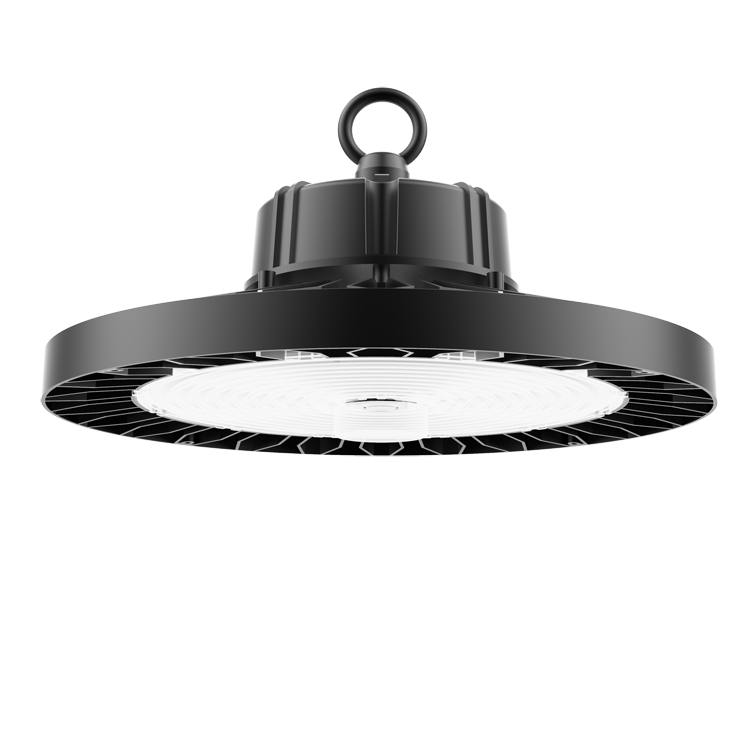
3.1 High-Bay Luminaires

Definition: Fixtures designed for mounting heights above 6 meters (20 feet).

Typical Applications:

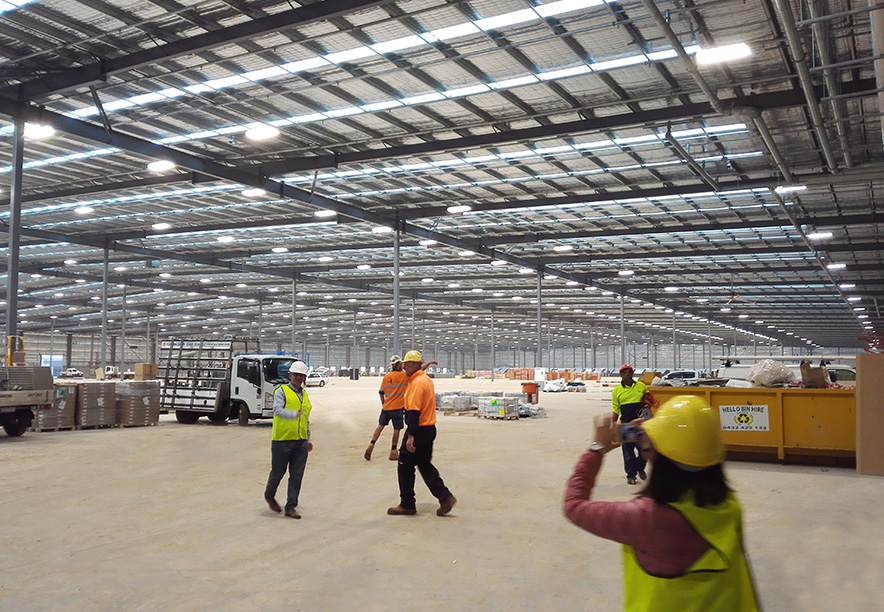
  • Warehouses and distribution centers

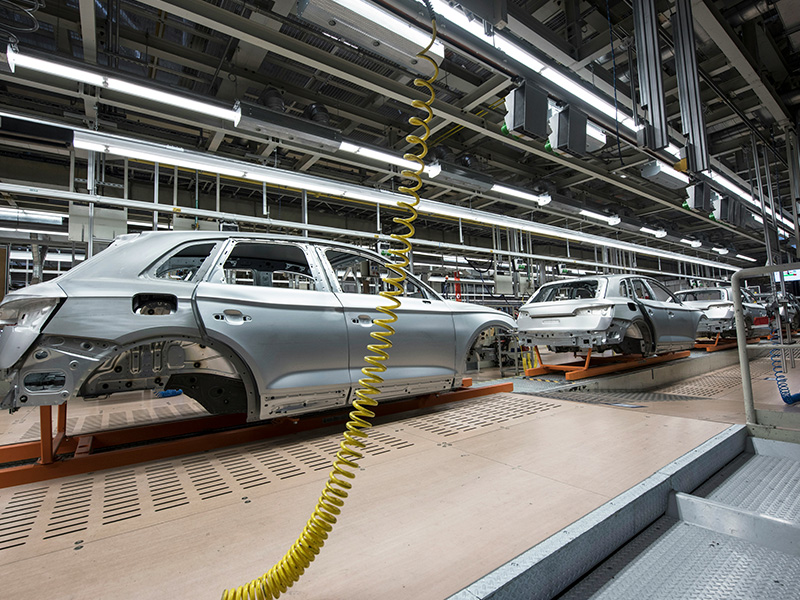
  • Manufacturing plants and assembly lines

  • Gymnasiums and sports facilities

  • Large retail spaces with high ceilings

  • Heavy equipment maintenance bays

Common Form Factors:

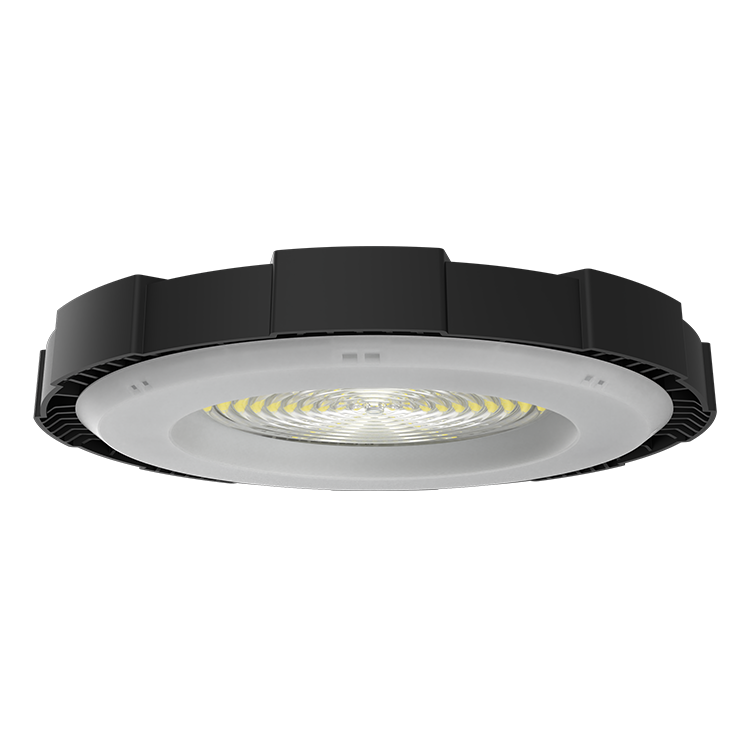
  • UFO-style (round) high-bay – Circular form factor with 360° or directed optics, common in 100W–300W range

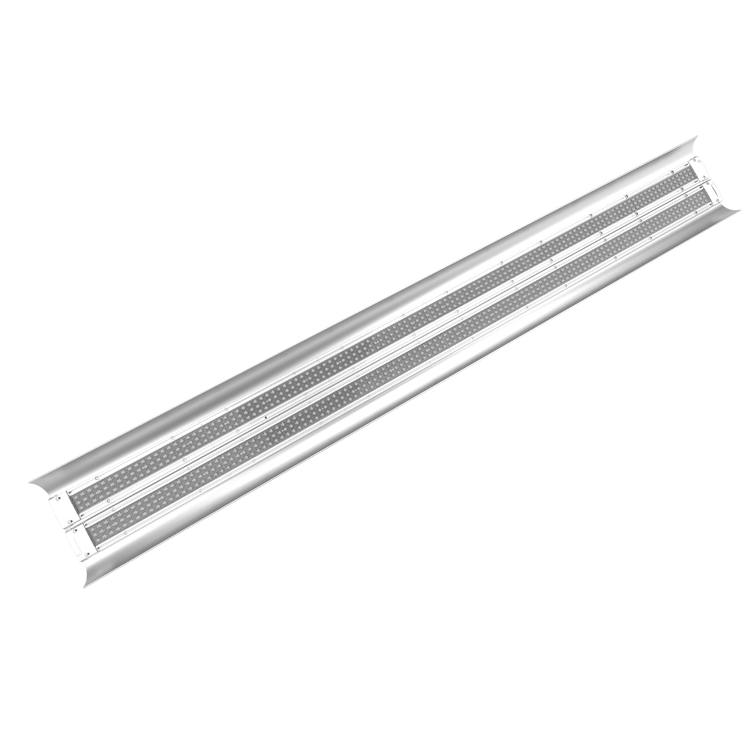
  • Linear high-bay – Rectangular form factor for aisle lighting, 130W–240W options

Wattage Selection Guide:

Mounting Height Recommended Wattage Typical Lumen Output
6–8 m 100–150W 15,000–22,000 lm
8–10 m 150–200W 22,000–32,000 lm
10–12 m 200–300W 32,000–45,000 lm
>12 m 300W+ 45,000+ lm

3.2 Low-Bay Luminaires

Definition: Fixtures designed for mounting heights below 6 meters (20 feet).

Typical Applications:

  • Small warehouses and storage areas

  • Retail spaces and showrooms

  • Office areas within industrial facilities

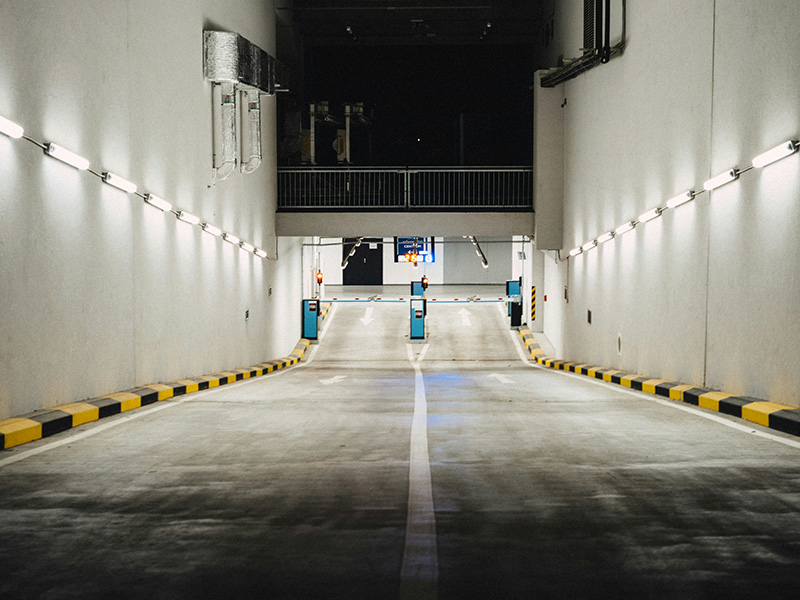
  • Parking garages

Key Difference: Low-bay fixtures typically use wider beam angles (90°–120°) to provide even illumination at lower mounting heights, whereas high-bay fixtures use narrower beams (45°–90°) to concentrate light on the work plane.

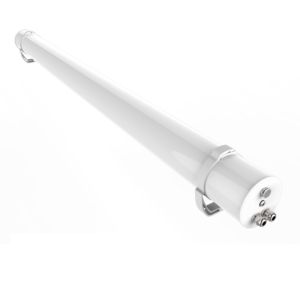
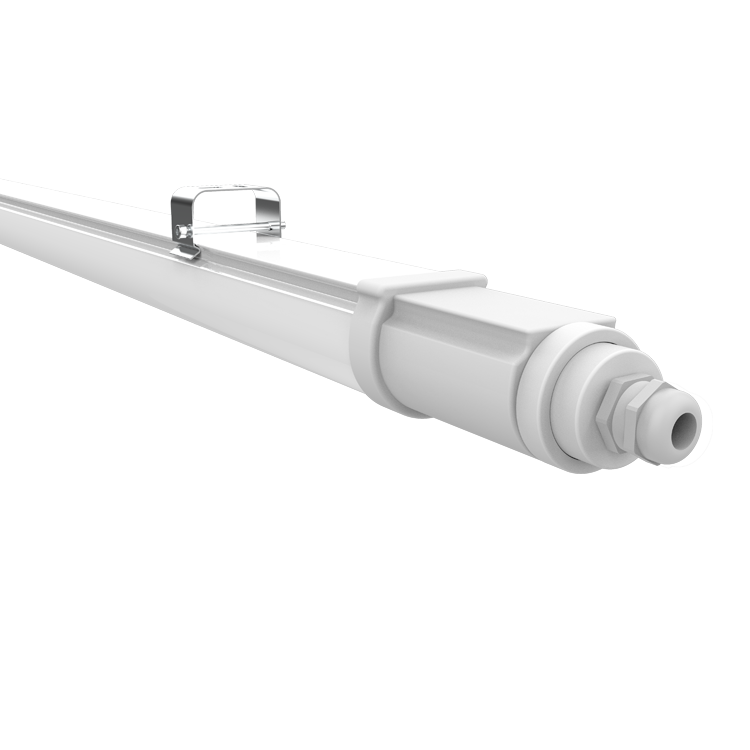
3.3 Linear and Strip Lighting

Typical Applications:

  • Aisle and corridor lighting

  • Workstation task lighting

  • Cold storage and refrigerated areas

  • Clean rooms and controlled environments

3.4 Vapor-Tight and Hazardous Location Luminaires

Typical Applications:

  • Food processing facilities (wash-down environments)

  • Chemical plants and refineries

  • Dusty environments (grain handling, woodworking)

  • Outdoor covered areas

4. Optical Design and Light Distribution

4.1 Understanding Light Distribution Patterns

Industrial lighting requires careful optical design to deliver light precisely where it is needed. Common distribution patterns include:

Distribution Type Beam Angle Best Application
Narrow (Spot) 15°–30° High-bay, task-specific, tall racking aisles
Medium 45°–60° General high-bay, warehouses
Wide (Flood) 90°–120° Low-bay, open areas, general illumination

Key consideration: Mounting height directly determines optical selection. Higher mounting heights require narrower beam angles to maintain adequate illuminance at the work plane.

4.2 Photometric Data and IES Files

IES files (ANSI/IES LM-63 format) are the industry-standard photometric data files that describe a luminaire’s light distribution in three dimensions. These files are essential for:

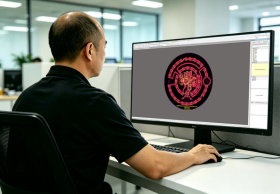
  • Lighting design and simulation using DIALux or AGi32 software

  • Comparing luminaire performance across manufacturers

  • Verifying compliance with design specifications

  • DLC and ENERGY STAR submissions

Quality indicator: A reputable manufacturer should provide IES files for all optical configurations upon request.

4.3 Glare Control

Glare is a significant concern in industrial environments where workers perform detailed visual tasks. Key metrics include:

  • Unified Glare Rating (UGR) – Lower values indicate less glare; UGR < 22 is generally acceptable for industrial applications

  • BUG Rating (Backlight, Uplight, Glare) – Used primarily for outdoor industrial lighting

  • Shielding angle – The angle at which the light source is hidden from view; greater shielding reduces direct glare

Best practices: Use luminaires with properly designed secondary optics, diffuse lenses, or louvered shielding in areas where workers face the light source.

5. Installation and Layout Guidelines

5.1 Determining Lighting Requirements

Step 1: Define the task and required illuminance

Area / Task Recommended Illuminance (lux)
General warehouse storage 100–200 lux
Order-picking zones 300–500 lux
General manufacturing 300–500 lux
Detailed assembly/inspection 500–750 lux
Cross-aisles and intersections 400–600 lux

ANSI/IES RP-7 recommends 30–50 foot-candles (300–500 lux) horizontal average in order-picking zones, 20–30 foot-candles in general storage aisles, and 40–60 foot-candles at cross-aisles and intersections.

Step 2: Consider vertical illuminance

Vertical surfaces absorb and block light. If shelving stacks approach ceiling height, fixtures should be centered in the aisles. Lower stacks allow more flexibility with luminaire layout. RP-7 emphasizes vertical illuminance on rack faces and a uniformity ratio no worse than 3:1.

Step 3: Calculate total lumens required

The Maintenance Factor accounts for lumen depreciation over time and dirt accumulation on fixtures—typically 0.7–0.8 for industrial environments.

5.2 Spacing and Layout

General rule: Fixture spacing should be 1.2–1.5 × mounting height for uniform illumination. For example:

  • 8m mounting height → spacing 9.6–12m between fixtures

  • 10m mounting height → spacing 12–15m between fixtures

For aisle lighting: Position fixtures centered over aisles rather than over storage racks.

For open areas: Use a grid pattern with consistent spacing in both directions.

5.3 Retrofit Considerations

When upgrading from HID (metal halide, high-pressure sodium) to LED:

Existing HID Wattage Typical LED Replacement Wattage Energy Savings
250W MH 80–100W LED 60–68%
400W MH 120–150W LED 63–70%
1000W MH 200–300W LED 70–80%

Important: Ensure existing wiring and circuit breakers can accommodate the new LED drivers. LED drivers typically accept 120–277V or 120–347V input.

5.4 Environmental Considerations

Environment Key Requirement Rationale
Cold storage / freezer Low-temperature rated drivers, IP65+ LEDs perform well in cold, but drivers may fail below -20°C
High-temperature areas Enhanced thermal management LED life decreases with junction temperature
Dusty environments IP5X+, sealed housing Dust accumulation reduces light output and causes overheating
Wash-down areas IP65+, corrosion-resistant materials Water ingress and chemical exposure
Vibration-prone areas IK rating, secure mounting Mechanical fatigue and connection failure

6. Intelligent Controls and Smart Industrial Lighting

6.1 Control Strategies for Energy Optimization

Control Type Function Typical Energy Savings
Daylight harvesting Dims lights when natural light is available 20–40%
Occupancy sensing Turns lights on/off based on presence 30–50%
Task tuning Adjusts light levels based on specific tasks 15–30%
Scheduled dimming Reduces output during non-peak hours 20–35%

6.2 Control Protocols and Interfaces

  • 0–10V dimming – Industry standard, widely compatible

  • DALI (Digital Addressable Lighting Interface) – Advanced control, individual addressing

  • Wireless controls – Zigbee, Bluetooth Mesh, LoRaWAN – for retrofit and flexibility

  • ANSI C136.41 – Standard for dimming control interface between photocontrol and driver for outdoor/area lighting

6.3 Controllability Requirements

DLC V5.1 requires all listed products to include dimming capability and reporting on integrated controls and control protocols. This ensures that energy-efficient lighting can be further optimized through intelligent control strategies.

7. Quality Assurance and Testing

7.1 Required Testing for Industrial LED Luminaires

Test Type Standard Purpose
Photometric testing IES LM-79 Total flux, efficacy, intensity distribution, CCT, CRI
Lumen maintenance IES LM-80 + TM-21 Long-term lumen depreciation prediction
Electrical safety UL/ETL, CE, ENEC Insulation, grounding, dielectric strength
Ingress protection IEC 60529 IP rating verification
Impact protection IEC 62262 IK rating verification
Thermal cycling Performance under temperature extremes
Surge protection ANSI C136.2 Transient voltage immunity

7.2 Key Certifications by Market

Market Required Certifications Recommended
North America UL / ETL DLC, ENERGY STAR
European Union CE ENEC, ENEC+
Australia SAA
China CCC CQC, Energy Conservation

7.3 Manufacturer Quality Indicators

When evaluating an industrial LED lighting manufacturer, look for:

  • In-house testing laboratory – CNAS-accredited or equivalent

  • Traceability – Batch-level testing records and serialized production

  • Warranty – 3–5 years minimum for industrial products

  • Documentation – IES files, test reports, certificates available upon request

Summary Checklist for LED Industrial Lighting Projects

Aspect Key Considerations
Application Mounting height, task requirements, environmental conditions
Standards IES LM-79/LM-80, ANSI/IES RP-7, DLC (if rebate-seeking)
Efficacy ≥130 lm/W standard; ≥150 lm/W for high-performance
CCT 4000K–5000K for general industrial; 5000K+ for detailed work
CRI ≥80 for general; ≥90 for color-critical tasks
Power Factor ≥0.90 (≥0.95 preferred)
IP Rating IP54 minimum; IP65+ for harsh environments
IK Rating Based on impact risk; IK08–IK10 for high-risk areas
Controls Dimming capability (0–10V/DALI); occupancy sensing where applicable
Certifications UL/ETL (NA), CE/ENEC (EU), SAA (AU), CCC (CN) as applicable
Documentation IES files, LM-80 reports, test certificates, warranty terms
Mounting Height >6m = high-bay; <6m = low-bay
Spacing 1.2–1.5 × mounting height (preliminary)
Uniformity ≤3:1 for task areas per RP-7

This guide is intended as a technical reference for specifiers, facility managers, and procurement professionals. For project-specific recommendations, consult with your LED lighting manufacturer or a qualified lighting designer.

Our Advantage

With a seasoned R&D team and extensive real-world application experience, MasonLED holds a distinct edge in delivering tailored lighting solutions to a global customer base. Our capabilities span both industrial and commercial sectors, as well as general and intelligent lighting applications.

We have successfully executed customized LED lighting projects for diverse applications, including:

  • Transit & Infrastructure – Metro and roadway lighting

  • Retail & Display – Advertising signage and refrigerator/freezer lighting

  • Food & Agriculture – Specialty lighting for meat and produce displays

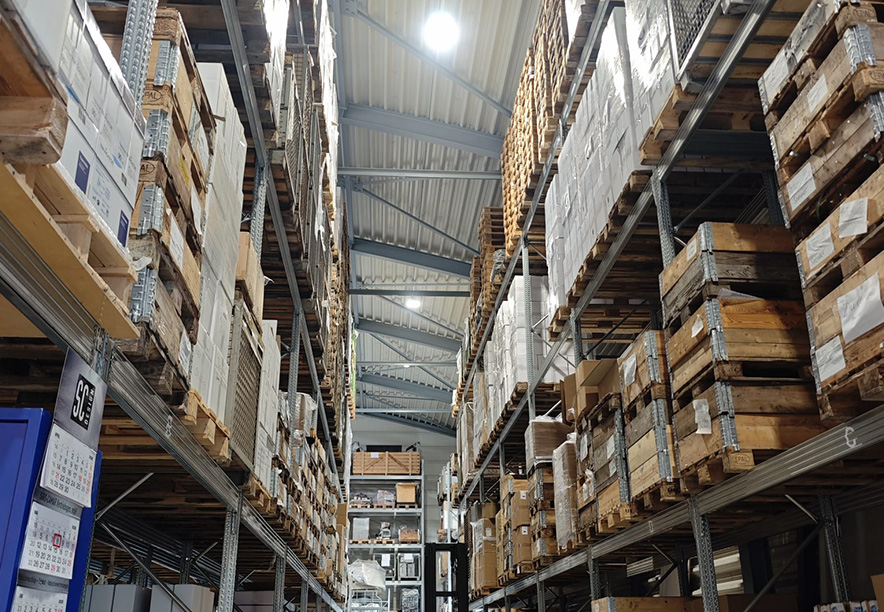
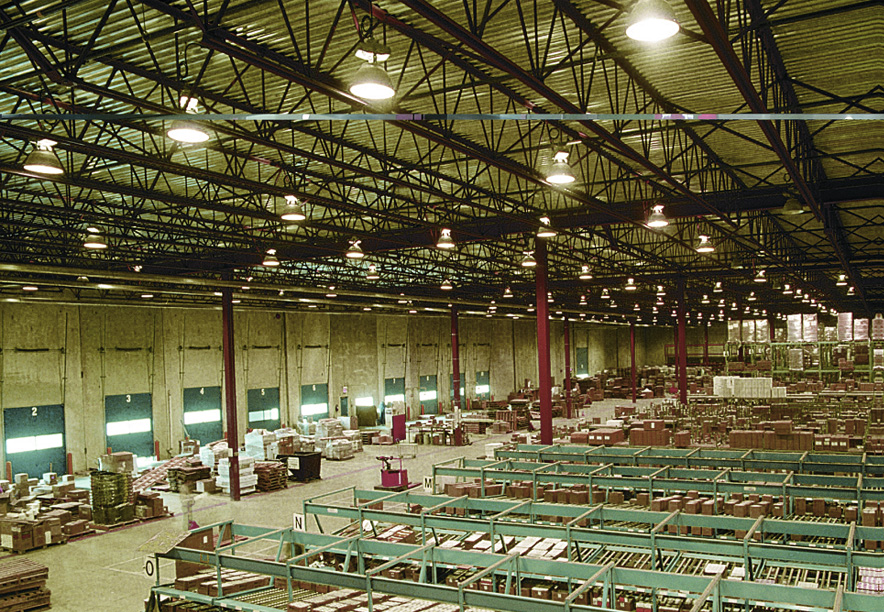
  • Warehousing & Logistics – High-bay and industrial storage lighting

These projects have been deployed across Australia, Germany, France, the United States, and other key markets, demonstrating our ability to meet varied regional standards and performance requirements.

ODM/OEM Capabilities

Our comprehensive manufacturing infrastructure and engineering expertise position us as a reliable partner for both ODM (Original Design Manufacturing) and OEM (Original Equipment Manufacturing) projects. We excel in:

  • Concept-to-production – From initial design and prototyping to mass production and delivery

  • Full customization – Optical, mechanical, electrical, and thermal design tailored to your specifications

  • IP protection – Strict confidentiality agreements to safeguard your proprietary designs

  • Flexible scaling – Pilot runs to container-load orders with consistent quality assurance

Whether you require a standard product modification or a completely new design, MasonLED provides the technical depth and operational capacity to bring your vision to market.

R&D & Innovation

The company’s R&D department has years of experience in LED lighting product development and is proficient in the operation processes of various ODM/OEM projects. It can efficiently meet customized customer requirements, ensuring an optimal balance between product performance, cost, and delivery time.

ID design

ID design

Mechanical engineering

Mechanical engineering​

Optical engineering

Optical engineering

Electronic engineering

Electronic engineering

Laboratory

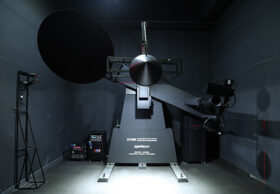
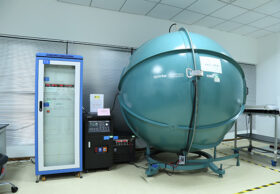
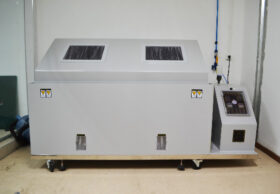
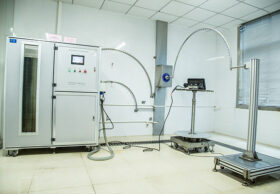
We embed quality at every stage of production — from initial design and material sourcing to manufacturing and final testing. Strict in-process inspections, 72‑hour aging, and photometric verification in our CNAS‑accredited lab ensure that every luminaire delivers consistent performance, reliability, and safety — order after order.

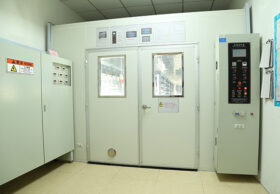
Full-Space Distribution Photometer

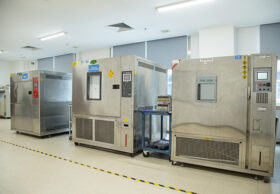
Environmental Reliability Testing

Integrating Sphere Test System

Integrating Sphere Test System

Natural Convection Heating Chamber

Natural Convection Heating Chamber

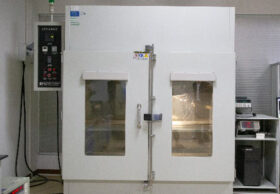
High-Temperature Aging Room

High-Temperature Aging Room

Environmental Reliability Testing

Environmental Reliability Testing

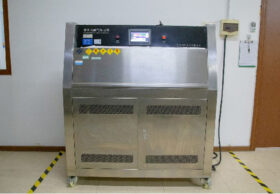
UV Testing Machine

UV Testing Machine

Salt Spray Test Chamber

Salt Spray Test Chamber

IP waterproof test

IP waterproof test

Manufacturing Strength

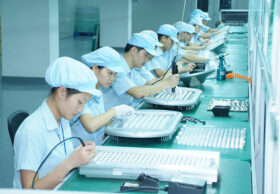
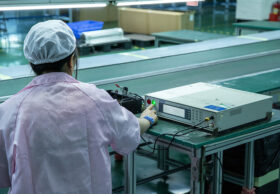
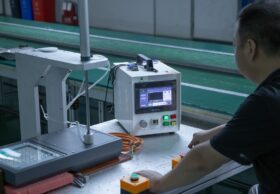
Our production process is built on rigorous quality controls at every stage – from incoming material inspection (IQC) to final testing. Each luminaire must pass 100% air‑tightness testing, 100% hi‑pot (dielectric strength) testing, and 100% burn‑in aging testing, ensuring zero defects in sealing integrity, electrical safety, and long‑term reliability. With these stringent measures, we guarantee flawless performance in every shipment.

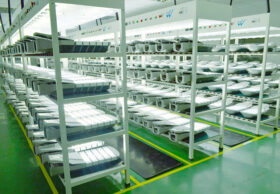
production line

Manufacturing Line

100% High Voltage Withstand Test

100% High Voltage Withstand Test

100% Air Tightness Test

100% Air Tightness Test

100% Product Aging

100% Product Aging

Smart warehouse management

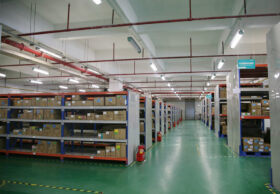
With a 5,000㎡ warehousing center at our core, we maintain exceptional material coordination and production flexibility — empowering us to tackle large‑scale municipal projects, adapt to urgent customer demands, and deliver consistent mass production without compromise.

Warehousing center

Warehousing center

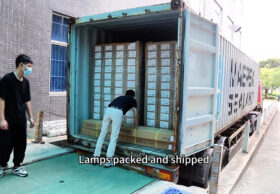
Product Shipping

Product Shipping

What Is Tri-proof Light?

What Is Tri-proof Light? What is the meaning of Tri-proof Light? Waterproof, dust-proof, and corrosion-proof is the most symbolic of the led tri-proof light( also called

Read More ->

How can we help you?

Get in Touch