LED Floodlight Refers To Artificial Illumination in A Broad Beam
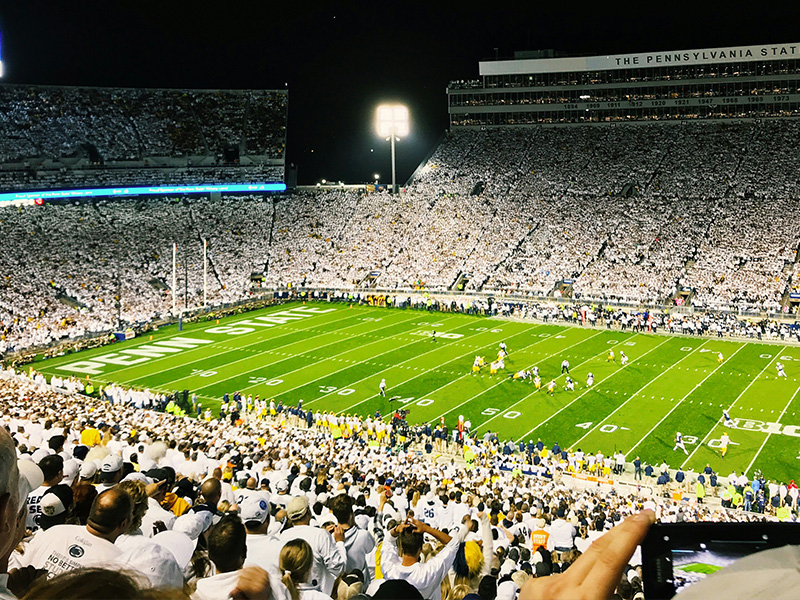
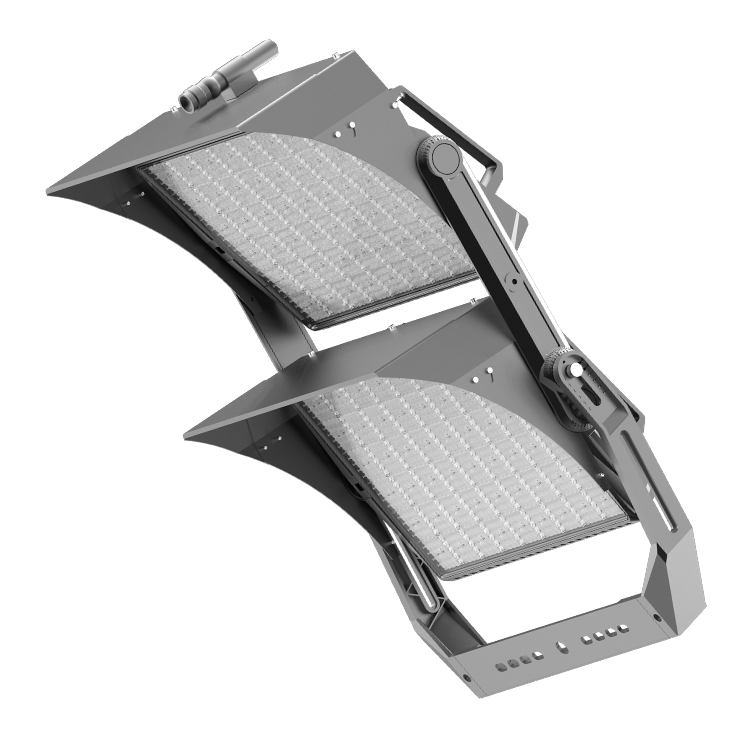
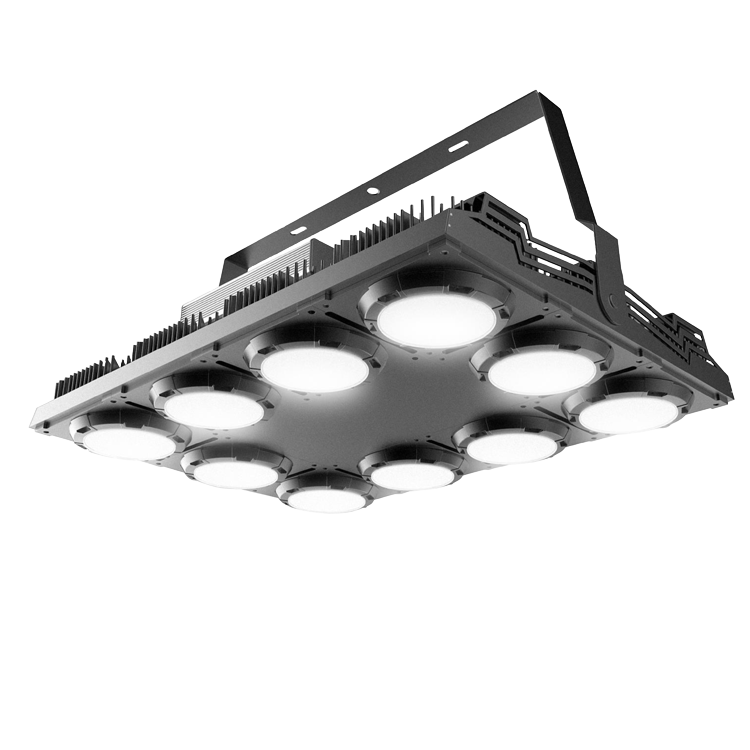
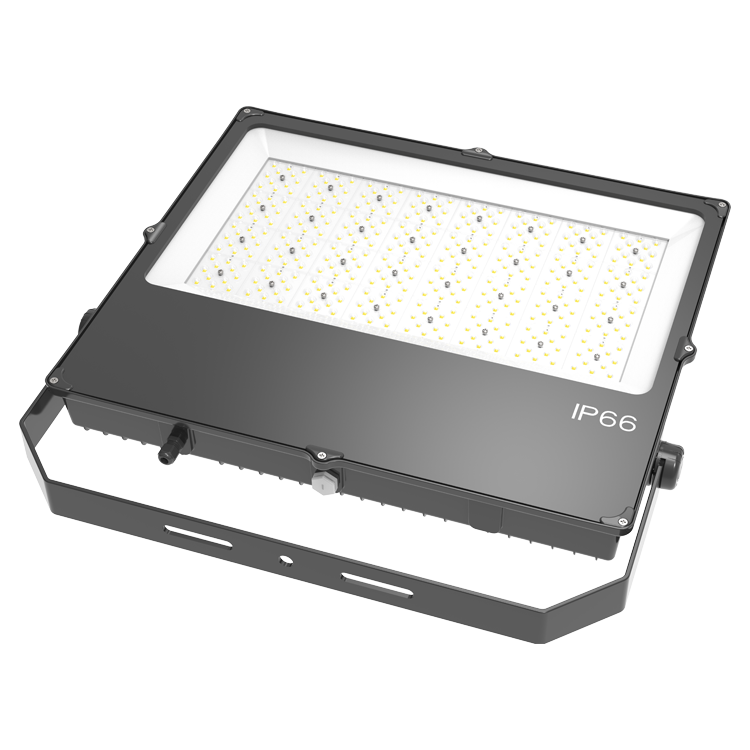
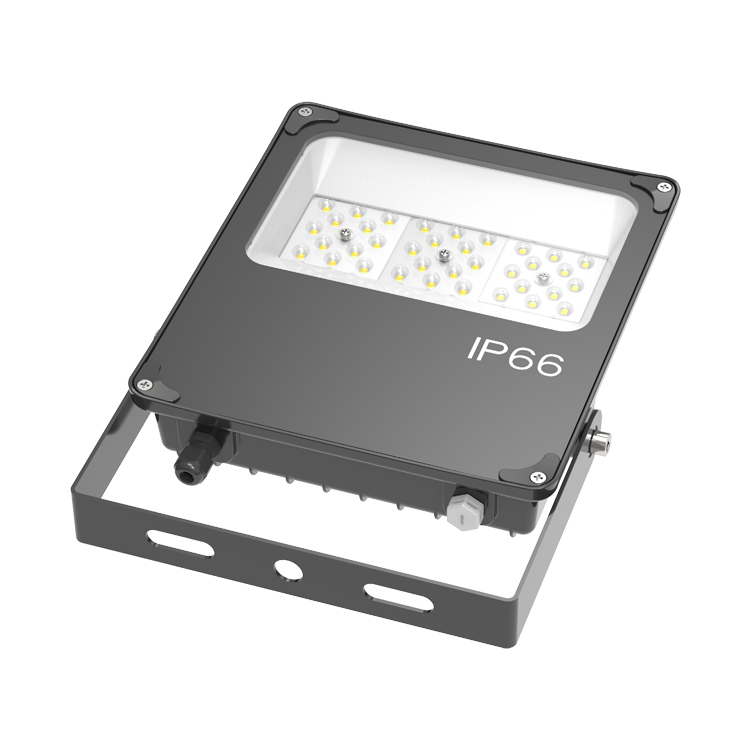
LED Flood light Refers To Artificial Illumination in A Broad Beam LED flood lights are popular used for lighting outdoor playing fields and sporting events
MasonLED delivers tailored lighting solutions for streets, warehouses, factories, parking lots, and cold storage. With custom ODM/OEM support, we optimize optics, thermal management, and IP ratings to match your project needs – backed by 16+ years of expertise and a CNAS‑accredited lab.
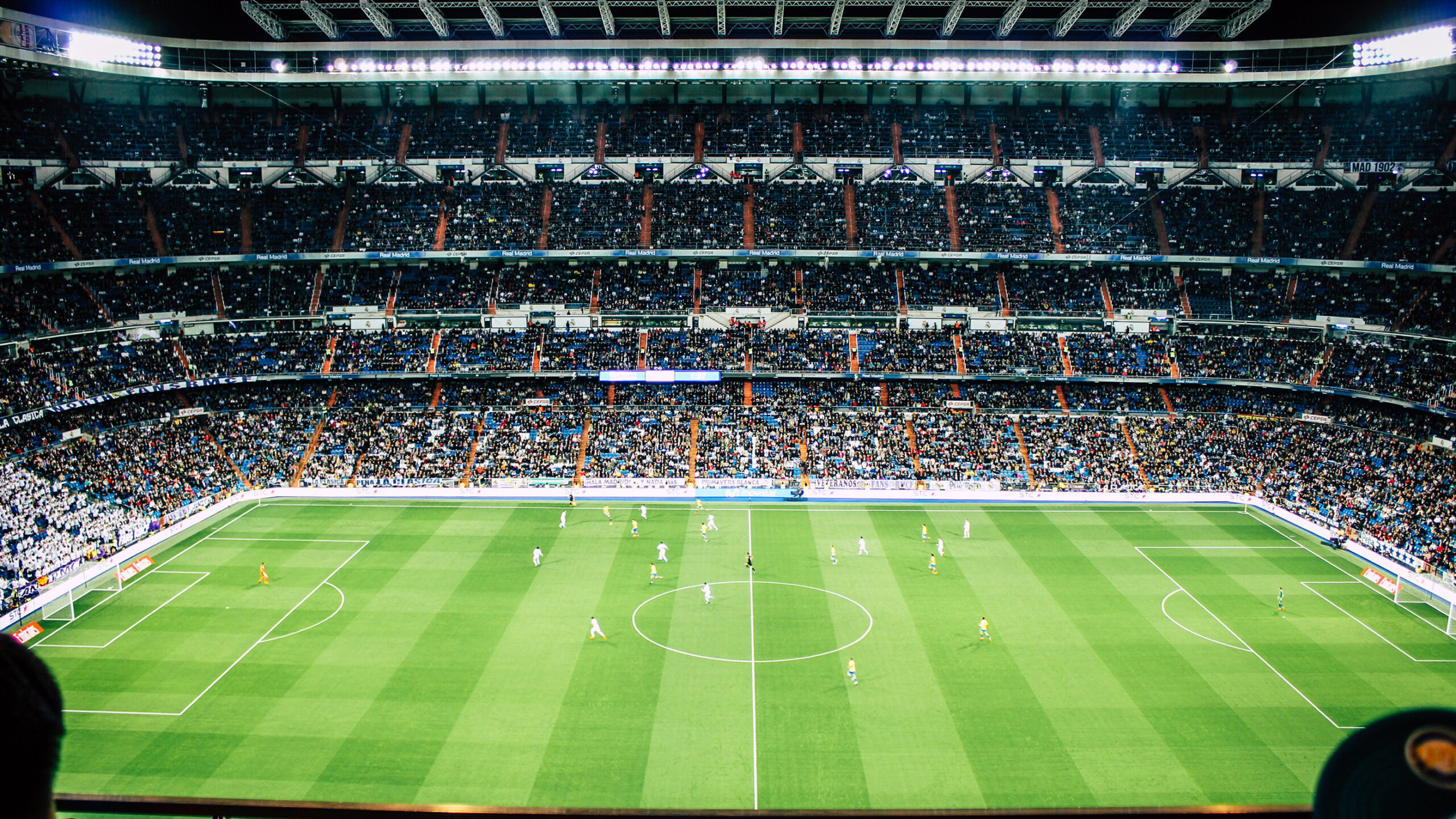
Sports lighting is one of the most technically demanding and professionally complex fields in lighting engineering. It must not only meet the visual needs of athletes and referees but also accommodate the viewing experience of live spectators, as well as the stringent requirements of television broadcasts for color rendering, flicker control, and vertical illuminance. A well-designed sports lighting system is the fundamental guarantee for smooth events, optimal athlete performance, and broadcast-quality visuals.
LED technology is fundamentally transforming the sports lighting industry. Compared to traditional metal halide systems, LED sports lighting luminaires offer significant advantages in efficacy (≥150 lm/W), lifespan (≥50,000 hours), instant start, precise optical control, and intelligent control capabilities. However, the complexity of sports lighting projects far exceeds that of general lighting — different sports, different competition levels, and different broadcast requirements demand vastly different lighting parameters. A lighting solution suitable for community fitness may be entirely inadequate for an internationally broadcast event.
This guide is intended for stadium owners, contractors, facility managers, and lighting designers, covering standards frameworks, performance parameters, product selection, optical design, layout and installation, intelligent controls, and quality assurance.
ANSI/IES RP-6 is the most critical international reference standard in the field of sports lighting. Prepared by the IES Sports and Recreational Areas Committee, this standard provides comprehensive qualitative and quantitative recommendations for the design of sports lighting systems.
Key updates in RP-6-24 (latest edition) include:
Addition of IES-DSI Five Principles for Outdoor Lighting
Updates to color temperature recommendations
Guidance on special event lighting
Stair and aisle lighting guidance
Removal of legacy light source types
Clarification for classification of play
Addition of Futsal, Pickleball, and running tracks
RP-6 specifies lighting classes for most sports, with different classes corresponding to different illuminance levels and uniformity requirements. The standard covers all levels from recreational use to professional competition (excluding professional leagues). The classes of play defined in the standard are:
| Class | Application Scenario |
|---|---|
| Class I | Competition with large spectator capacity (5,000+) |
| Class II | Competition in facilities accommodating 2,000–5,000 spectators |
| Class III | Competition or recreational activities in facilities with fewer than 2,000 spectators |
| Class IV | Competition or recreational activities only (limited or no spectator facilities) |
Different classes apply to different levels of competition: professional events correspond to Class I, university competitions may be Class I or II, while semi-professional, sports clubs, amateur leagues, and high school sports span Classes I–IV.
This is China’s national standard specifically for LED sports lighting, issued on March 6, 2020, and effective from October 1, 2020. The standard specifies terminology and definitions, general requirements, classification requirements, and performance requirements for LED luminaires, drivers, and lighting control systems used in stadium and arena lighting.
Key technical provisions of the standard include:
Start-up characteristics of LED products
Flicker requirements and measurement methods
Harmonic limits
Temperature rise and thermal management
Maintenance factor
Ultra-high-definition television broadcast lighting technical requirements
Luminaire photometric classification
Intelligent lighting control system architecture
China’s core standard for sports venue lighting design and testing, used in conjunction with GB/T 38539-2020. The standard specifies clear requirements for illuminance, uniformity, color rendering index, color temperature, and glare for sports venues of different classes.
The European standard for sports lighting, specifying design data and control requirements for lighting installations in sports facilities. The standard covers design data, light source data (including LED), data for luminaires with replaceable light sources, and data for LED luminaires.
| Certification | Scope | Target Markets |
|---|---|---|
| UL / ETL | Electrical safety, luminaire and component testing | North America |
| CE | Health, safety, and environmental standards | European Union |
| ENEC | European Norms Electrical Certification | Europe |
| SAA | Electrical safety for lighting equipment | Australia |
| CCC / CQC | China Compulsory/Quality Certification | China |
Illuminance is the most fundamental metric in sports lighting, divided into horizontal illuminance (Eh) and vertical illuminance (Ev) .
Horizontal Illuminance (Eh) : Measures the illuminance level on the playing surface. Requirements vary significantly by sport and competition level. For football, training and recreational activities require 200 lx, amateur competitions 500 lx, professional competitions 750 lx, general TV broadcast 1,000 lx, and major international HDTV broadcasts 1,400 lx. International football matches require a minimum of 2,000 lx, with even higher requirements for televised events.
Vertical Illuminance (Ev) : In broadcast scenarios, vertical illuminance is even more critical than horizontal illuminance. It determines the visibility and clarity of athletes’ faces and bodies in camera shots. Previous Olympic Games required a minimum vertical illuminance of 1,200 lx; Winter Olympics requirements have been increased to 1,600 lx.
Illuminance Uniformity : Includes U1 (minimum/maximum) and U2 (minimum/average) . Higher uniformity means less contrast between light and dark areas on the field, which helps athletes judge ball trajectories and positions.
The recommended CCT range for sports lighting is typically 4,000K–6,200K.
| CCT | Color Appearance | Application Scenario |
|---|---|---|
| 4,000K | Neutral white | Indoor gymnasiums, training facilities |
| 5,000K | Pure white | Common standard for professional venues |
| 5,700K | Cool white | Premier events, HDTV broadcasts |
Critical requirement: The CCT deviation of all luminaires in the same venue should be controlled within ±100K. Color temperature consistency is essential for broadcast color accuracy.
CRI measures how accurately a light source renders object colors. Sports lighting demands significantly higher color rendering than general lighting:
| CRI Value | Application Suitability |
|---|---|
| CRI ≥ 70 | Basic training, amateur competition |
| CRI ≥ 80 | Standard requirement for professional competition |
| CRI ≥ 90 | Premier events, HDTV/UHD broadcast |
R9 Value (saturated red rendering) is increasingly valued in sports lighting. R9 ≥ 20 has become a technical requirement for many professional venues. High R9 values ensure that athletes’ skin tones and field markings (such as red boundary lines, jersey colors) appear true to life on camera.
TLCI (Television Lighting Consistency Index) : For venues with broadcast requirements, TLCI is a more professional evaluation metric than CRI.
Glare is a key factor affecting both athlete performance and spectator experience in sports lighting.
Evaluation Metrics:
UGR (Unified Glare Rating) : Commonly used for indoor venues
Sports venues: UGR ≤ 16
Badminton courts (frequent upward gaze): UGR ≤ 16 recommended
Competition venues: UGR ≤ 19
Training venues: UGR ≤ 22
Football pitches: UGR ≤ 22
GR (Glare Rating) : Commonly used for outdoor sports venues
Class I sports venues: GR ≤ 35
Class II and above: GR ≤ 30
Anti-glare Design Principles:
Luminaire shielding angle ≥ 30°
Precise optical design to avoid light projection to non-target areas
Spill light outside the venue controlled within 50 lx
Flicker is one of the most easily overlooked but most impactful parameters in sports lighting. Flicker can cause flickering and motion blur in broadcast footage, affecting the clarity of slow-motion replays.
| Broadcast Level | Flicker Factor Requirement | Notes |
|---|---|---|
| General TV broadcast | < 5% | No issues for slow-motion replays up to 150 fps |
| HDTV/UHD broadcast | < 2% | Required for events like Winter Olympics |
| Super/Ultra Slow Motion (SSM/USM) | < 1% | For 1,000+ fps slow motion |
UEFA requires flicker factor < 5% for Elite Level A stadiums under 300 fps slow-motion capture. FIBA Level 1 international competition requires flicker factor ≤ 1%. GB/T 38539-2020 Appendix F specifically specifies the calculation and measurement methods for flicker percentage.
Sports venue luminaires are typically installed at height and exposed to outdoor conditions, requiring higher protection ratings:
| IP Rating | Application Scenario |
|---|---|
| IP65 | General outdoor sports venues |
| IP66 | Harsh weather regions, exposed courts |
| IP67 | Swimming pools, water sports venues |
Sports venue luminaires must be impact-resistant. Luminaires should pass appropriate IK rating tests to ensure they do not fail or fall when struck by balls (football, basketball, tennis, etc.).
Sports lighting luminaires typically have higher power ratings (100W–1,000W+), requiring higher power factor:
Minimum requirement: PF ≥ 0.90
High quality: PF ≥ 0.95–0.98
Replacement costs for sports venue luminaires are extremely high (requiring aerial work, potentially affecting event schedules), making lifetime a critical economic indicator:
Minimum: L70 ≥ 35,000 hours
Recommended: L70 ≥ 50,000 hours
Premium: L70 ≥ 100,000 hours
Different sports have significantly different lighting requirements due to variations in court size, ball speed, spectator distance, and broadcast needs.
| Level | Horizontal Illuminance (lx) | Uniformity U0 |
|---|---|---|
| Training/Recreational | 200 | 0.5 |
| Amateur Competition | 500 | 0.7 |
| Professional Competition | 750 | — |
| General TV Broadcast | 1,000 | — |
| HDTV Broadcast | 1,400+ | — |
| International Competition | 2,000+ | — |
| Level | Horizontal Illuminance (lx) | Uniformity U0 |
|---|---|---|
| Indoor Training | 200 | 0.5 |
| Indoor Competition | 500–750 | 0.7 |
| Professional Competition | 750–1,000 | 0.7 |
| TV Broadcast | 1,000–1,500 | — |
| Level | Horizontal Illuminance (lx) | Uniformity U0 |
|---|---|---|
| Indoor Training | 300 | 0.5 |
| Indoor Competition | 500 | 0.7 |
| Professional Competition | 750 | 0.7 |
| Outdoor Competition | 500 | 0.7 |
Tennis court lighting design must pay particular attention to contrast between the ball and background — a yellow tennis ball requires sufficient brightness against dark backgrounds to be clearly tracked.
| Level | Horizontal Illuminance (lx) | Uniformity U0 | Glare Requirement |
|---|---|---|---|
| Training | 300 | 0.7 | UGR ≤ 22 |
| Competition | 500 | 0.7 | UGR ≤ 16 |
| Professional | 750 | 0.7 | UGR ≤ 16 |
Badminton players frequently look upward to track the shuttlecock, making glare control the primary design consideration.
| Area | Illuminance (lx) | Uniformity U0 |
|---|---|---|
| Infield (Competition) | 750 | 0.7 |
| Outfield (Competition) | 500 | 0.5 |
| Infield (Training) | 500 | 0.7 |
| Outfield (Training) | 300 | 0.5 |
Baseball lighting design must address the differentiated needs of both infield (high illuminance, fine detail) and outfield (wide coverage, high uniformity) .
The choice of sports lighting luminaire optics depends on the projection distance from installation position to the illuminated surface:
| Distribution Type | Beam Angle | Projection Distance | Application Scenario |
|---|---|---|---|
| Narrow Beam | 15°–30° | >55 m | Large football stadiums, far ends of athletics tracks |
| Medium Beam | 30°–60° | 35–55 m | Mid-sized venues, basketball arenas |
| Wide Beam | 60°–90°+ | <35 m | Small venues, near-end lighting |
Sports lighting typically requires multiple distribution types in combination — narrow beams for long-distance projection, wide beams for close-range illumination — to achieve uniform coverage across the entire venue.
Common sports venue lighting arrangements include:
| Layout Type | Application Scenario | Characteristics |
|---|---|---|
| Four-Corner Lighting | Football stadiums, athletics tracks | Poles at four corners, diagonal projection |
| Two-Side Lighting | Football, rugby stadiums | Poles along both sides of the venue |
| Catwalk Lighting | Indoor arenas | Luminaires on roof catwalks or trusses |
| Hybrid Lighting | Large multi-purpose venues | Multiple layout combinations for different sports |
Key principle: Luminaire mounting height is recommended at 10–20 meters. The choice of installation position and angle directly affects illuminance uniformity and glare control.
Modern sports lighting design must rely on professional optical simulation software (DIALux, AGi32, etc.) for:
Illuminance distribution simulation (horizontal + vertical)
Uniformity calculation
Glare assessment (UGR/GR)
Optical scheme optimization
Broadcast effect prediction
Simulation allows design verification before construction, avoiding costly rework. IES files should be output upon design completion for reference by owners and contractors.
According to Chinese standard JGJ 153:
Class Special and Class A sports buildings: Shall adopt intelligent lighting control systems
Class B sports buildings: Should adopt intelligent lighting control systems
Intelligent lighting control systems should provide:
| Function | Description |
|---|---|
| Scene Presets | Pre-set lighting modes (competition, training, broadcast, cleaning, etc.), not lost upon power failure |
| Soft Start/Stop | Adjustable start and stop times |
| Group Control | Capability for group control of all competition area luminaires |
| Multiple Scene Schemes | At least 4 different lighting scene group schemes |
| Remote Control | Manual switching in each functional zone, plus remote centralized control |
For competition venues with broadcast requirements, intelligent lighting control systems should be adopted. The system should be capable of rapidly switching lighting modes based on different broadcast needs (HD, UHD, slow motion, etc.), ensuring that vertical illuminance, CCT, flicker, and other parameters meet broadcast requirements.
Sports lighting installation involves aerial work and electrical engineering, and must be performed by qualified professionals.
Key inspection items:
Confirm all installation, wiring, and aiming work is complete before energization
Luminaire mounting height and angle should uniformly cover the playing area
After installation, energize and test, adjust aiming angles to ensure uniform light distribution
Safety precautions:
Disconnect all relevant circuits before maintenance and allow cooling
Comply with local electrical codes
Sports venue luminaires are installed at height, making maintenance costly — establishing a regular maintenance schedule is essential.
| Maintenance Item | Frequency | Notes |
|---|---|---|
| Housing Cleaning | Quarterly | Remove dust, leaves, and debris |
| Optical Lens Cleaning | Quarterly | Wipe with clean, dry cotton cloth |
| Fixing Hardware Inspection | Semi-annually | Check luminaire mounting security |
| Comprehensive Inspection | Annually | Electrical connections, waterproof seals, thermal performance |
Cleaning luminaires maintains optimal light output and thermal management.
Key testing items for sports lighting LED luminaires include:
| Test Item | Standard Requirement |
|---|---|
| Average Illuminance | ≥500 lx (competition area) |
| Illuminance Uniformity | U0 ≥ 0.7 |
| CCT Consistency | 3,000K–6,500K, ±100K within same venue |
| Color Rendering Index | Ra ≥ 80 |
| Glare Control | UGR < 19 (indoor) |
| Housing Temperature | ≤90°C |
Testing should comply with international standards IEC 60598 and CIE guidelines.
Sports lighting testing requires professional equipment:
Spectroradiometer: Analyzes spectral power distribution (SPD), evaluates CRI, CCT, and chromaticity coordinates
Illuminance meter: Measures horizontal and vertical illuminance
Luminance meter: Evaluates luminance distribution across the venue
| Market | Required Certifications | Recommended/Additional |
|---|---|---|
| North America | UL / ETL | DLC (for utility rebates) |
| European Union | CE | ENEC |
| Australia | SAA | — |
| China | CCC | CQC, GB/T 38539-2020 compliance |
| Aspect | Key Considerations |
|---|---|
| Sport | Football/Basketball/Tennis/Badminton/Baseball — illuminance requirements vary significantly |
| Competition Level | Training/Amateur/Professional/Broadcast/International — progressively higher |
| Standards | ANSI/IES RP-6, GB/T 38539-2020, JGJ 153-2016, EN 12193 |
| Horizontal Illuminance | 200–2,000+ lx (depending on sport and level) |
| Vertical Illuminance | Critical for broadcast (≥1,200–1,600 lx) |
| Uniformity | U0 ≥ 0.7 (competition area); U1, U2 per applicable standard |
| CCT | 4,000K–5,700K; deviation ≤ ±100K within same venue |
| CRI | Ra ≥ 80 (professional); Ra ≥ 90 (premier/broadcast) |
| R9 Value | ≥20 (when broadcast is required) |
| Glare | UGR ≤ 16–19 (indoor); GR ≤ 30–35 (outdoor) |
| Flicker | <5% (general broadcast); <2% (HD); <1% (ultra-slow motion)– |
| IP Rating | IP65 (outdoor); IP66/IP67 (harsh environments) |
| Impact Protection | Ball-impact resistant (IK rating verified) |
| Power Factor | ≥0.90 (≥0.95 preferred) |
| L70 Lifetime | ≥50,000 hours recommended |
| Distribution Type | Narrow/Medium/Wide beam based on projection distance |
| Intelligent Control | Class Special/A must adopt intelligent lighting control systems |
| Scene Presets | ≥4 lighting scenes (competition/training/broadcast/cleaning, etc.) |
| Certifications | UL/ETL (NA), CE/ENEC (EU), CCC (CN) |
This guide is intended for stadium owners, contractors, facility managers, and lighting designers. For project-specific design recommendations, consult a professional lighting design firm or LED sports lighting manufacturer.
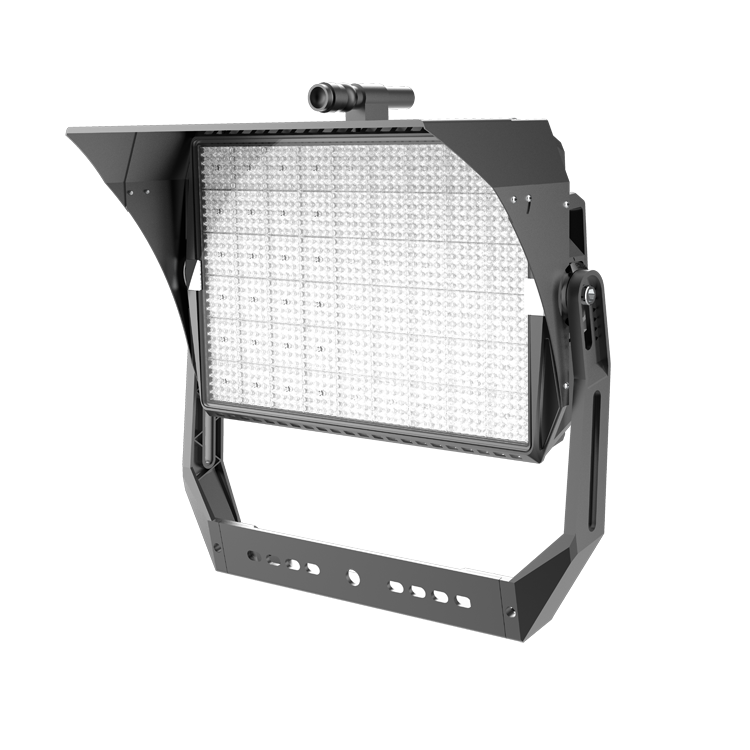
With a seasoned R&D team and extensive real-world application experience, MasonLED holds a distinct edge in delivering tailored lighting solutions to a global customer base. Our capabilities span both industrial and commercial sectors, as well as general and intelligent lighting applications.
We have successfully executed customized LED lighting projects for diverse applications, including:
Transit & Infrastructure – Metro and roadway lighting
Retail & Display – Advertising signage and refrigerator/freezer lighting
Food & Agriculture – Specialty lighting for meat and produce displays
Warehousing & Logistics – High-bay and industrial storage lighting
These projects have been deployed across Australia, Germany, France, the United States, and other key markets, demonstrating our ability to meet varied regional standards and performance requirements.
ODM/OEM Capabilities
Our comprehensive manufacturing infrastructure and engineering expertise position us as a reliable partner for both ODM (Original Design Manufacturing) and OEM (Original Equipment Manufacturing) projects. We excel in:
Concept-to-production – From initial design and prototyping to mass production and delivery
Full customization – Optical, mechanical, electrical, and thermal design tailored to your specifications
IP protection – Strict confidentiality agreements to safeguard your proprietary designs
Flexible scaling – Pilot runs to container-load orders with consistent quality assurance
Whether you require a standard product modification or a completely new design, MasonLED provides the technical depth and operational capacity to bring your vision to market.
R&D & Innovation
The company’s R&D department has years of experience in LED lighting product development and is proficient in the operation processes of various ODM/OEM projects. It can efficiently meet customized customer requirements, ensuring an optimal balance between product performance, cost, and delivery time.
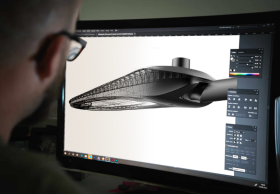
ID design
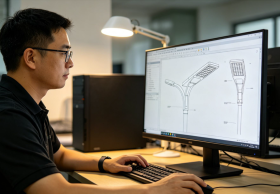
Mechanical engineering
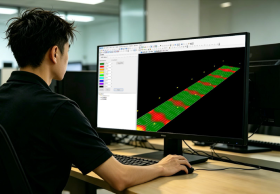
Optical engineering
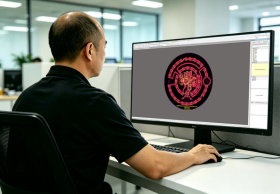
Electronic engineering
Laboratory
We embed quality at every stage of production — from initial design and material sourcing to manufacturing and final testing. Strict in-process inspections, 72‑hour aging, and photometric verification in our CNAS‑accredited lab ensure that every luminaire delivers consistent performance, reliability, and safety — order after order.
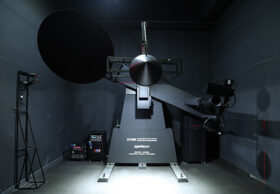
Environmental Reliability Testing
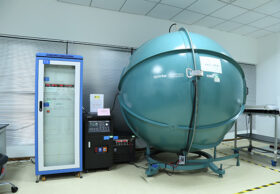
Integrating Sphere Test System
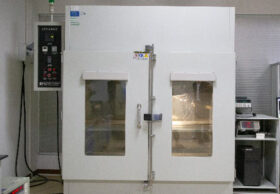
Natural Convection Heating Chamber
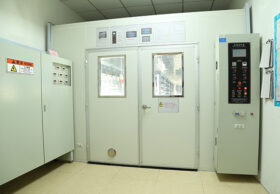
High-Temperature Aging Room
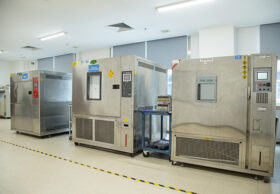
Environmental Reliability Testing
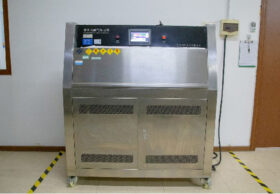
UV Testing Machine
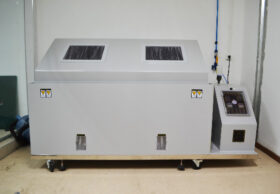
Salt Spray Test Chamber
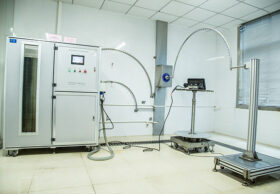
IP waterproof test
Manufacturing Strength
Our production process is built on rigorous quality controls at every stage – from incoming material inspection (IQC) to final testing. Each luminaire must pass 100% air‑tightness testing, 100% hi‑pot (dielectric strength) testing, and 100% burn‑in aging testing, ensuring zero defects in sealing integrity, electrical safety, and long‑term reliability. With these stringent measures, we guarantee flawless performance in every shipment.
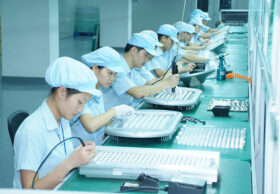
Manufacturing Line
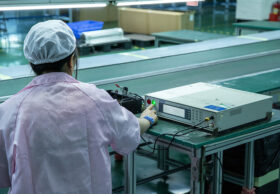
100% High Voltage Withstand Test
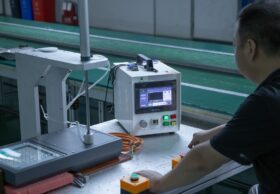
100% Air Tightness Test
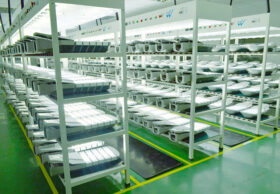
100% Product Aging
Smart warehouse management
With a 5,000㎡ warehousing center at our core, we maintain exceptional material coordination and production flexibility — empowering us to tackle large‑scale municipal projects, adapt to urgent customer demands, and deliver consistent mass production without compromise.
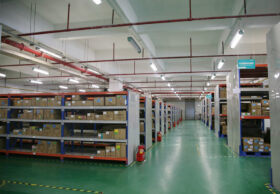
Warehousing center
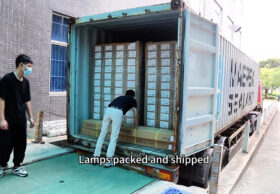
Product Shipping
LED Flood light Refers To Artificial Illumination in A Broad Beam LED flood lights are popular used for lighting outdoor playing fields and sporting events
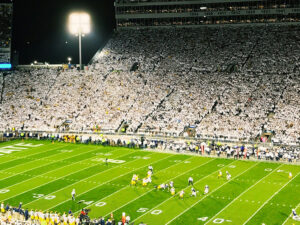
Experience superior illumination with Mason‘s 15000 Lumen LED Flood Light. As a trusted provider of high-quality lighting solutions, Mason offers the Phantom series, a powerful
Welcome to the world of Mason, your trusted LED flood light manufacturer, where innovation meets efficiency. Our commitment to providing cutting-edge lighting solutions is exemplified