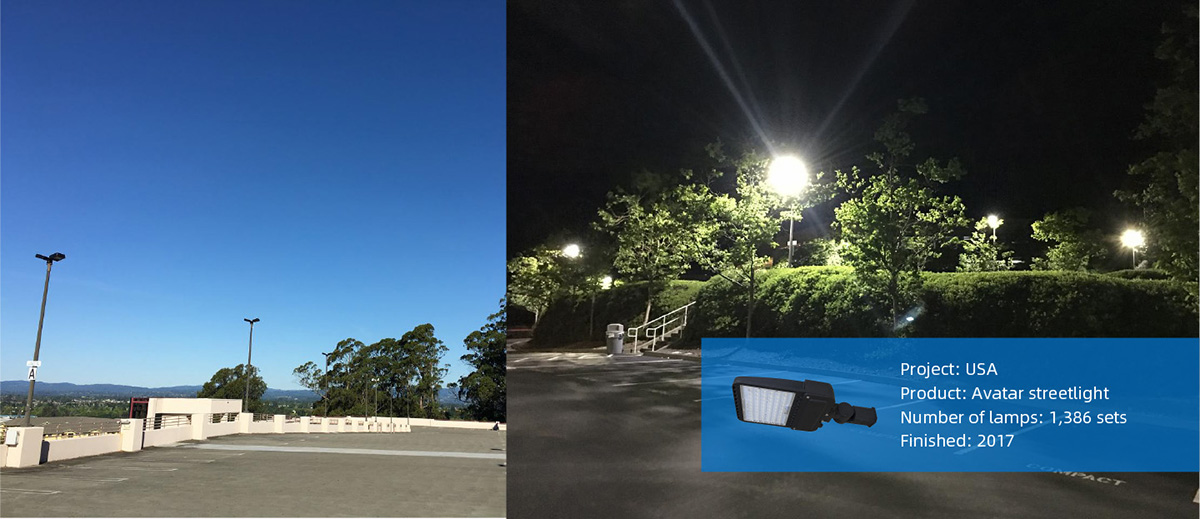
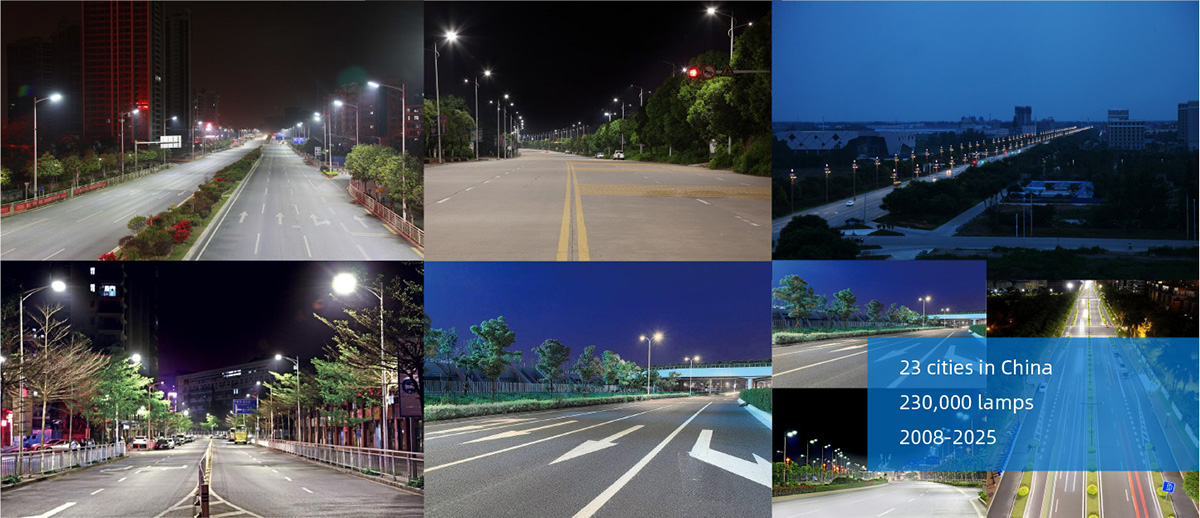
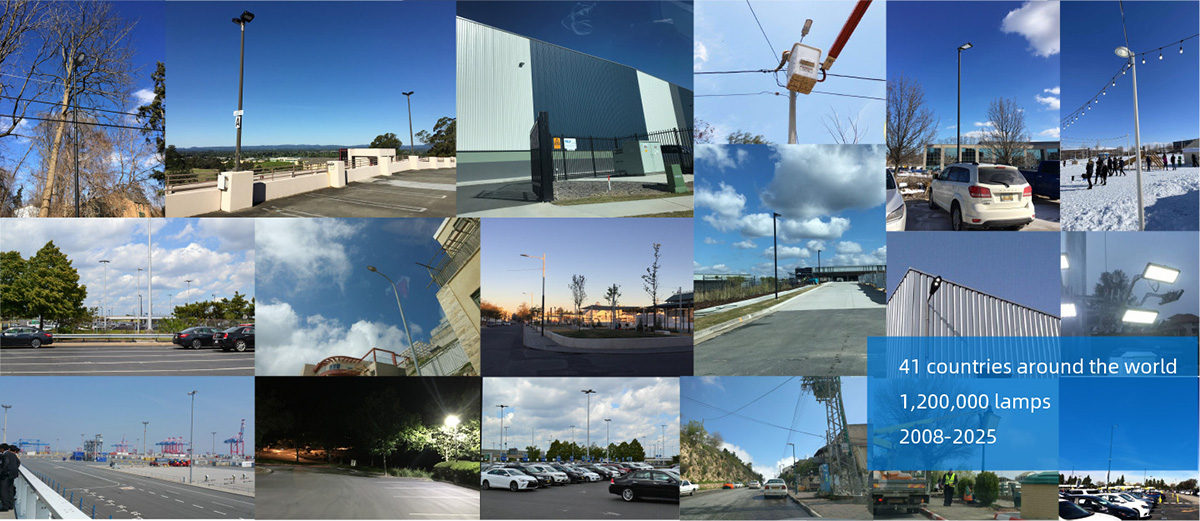
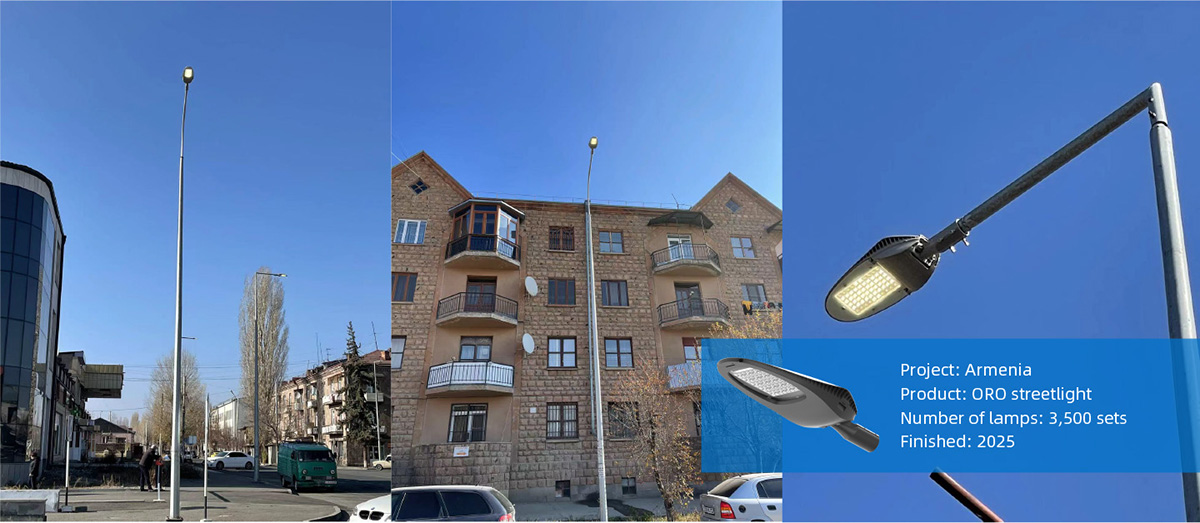
Street Lighting Project – Guangdong Mason Technologies Co., Ltd.

+86-769-89950999

APPLICATION

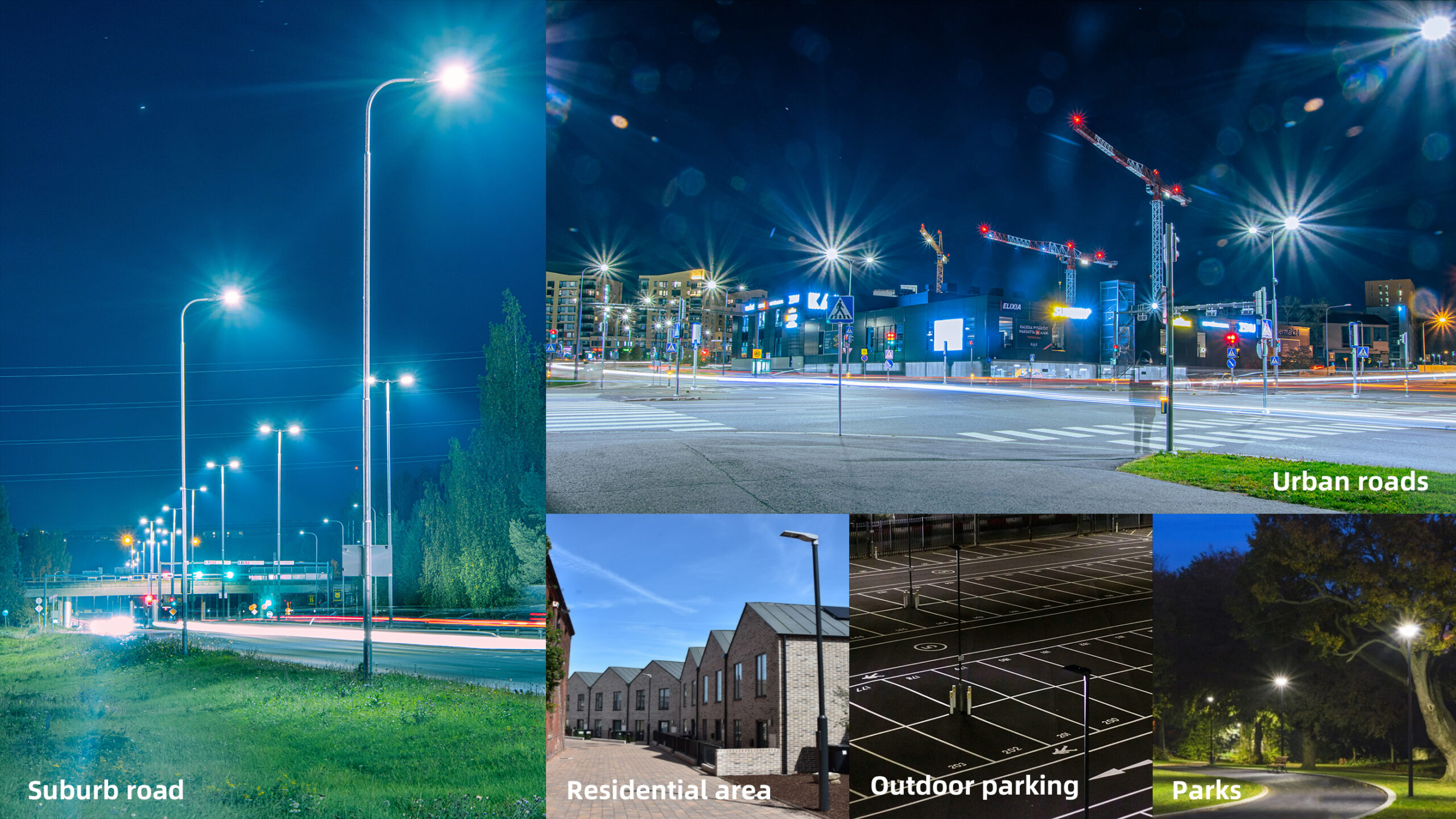
MasonLED delivers tailored lighting solutions for streets, warehouses, factories, parking lots, and cold storage. With custom ODM/OEM support, we optimize optics, thermal management, and IP ratings to match your project needs – backed by 16+ years of expertise and a CNAS‑accredited lab.

LED Street Lighting Application Technical Guide

Introduction

LED street lighting has rapidly become the global standard for roadway illumination, offering superior energy efficiency, longer lifespan, and better light quality compared to traditional HPS and metal halide systems. For municipalities, contractors, and project planners, understanding the technical fundamentals of LED street lighting is essential to specify the right solution for each application. This guide covers the key technical considerations—from industry standards and photometric performance to optical design, installation, and quality assurance—to help you make informed decisions for your street lighting projects.

1. Industry Standards and Certification Framework

1.1 IES Standards (North America)

The Illuminating Engineering Society (IES) has established the foundational standards for LED lighting measurement and performance:

  • IES LM-79 – Approved method for electrical and photometric measurements of solid-state lighting products. This standard defines the testing environment, procedures, and parameters for measuring total luminous flux, electrical power, efficacy, and chromaticity of LED luminaires.

  • IES LM-80 – Approved method for measuring lumen maintenance of LED light sources. This standard requires LED packages, modules, and arrays to be tested at multiple case temperatures (typically 55°C, 85°C, and a third temperature) over a minimum of 6,000 hours (recommended 10,000 hours) to measure lumen depreciation.

  • IES TM-21 – Projecting long-term lumen maintenance of LED light sources. This standard uses LM-80 test data to extrapolate L70 (time to 70% lumen maintenance) and L50 lifetimes.

  • IES RP-8 – Recommended Practice for Design and Maintenance of Roadway and Parking Facility Lighting. This is the comprehensive reference for roadway lighting design, covering illuminance, luminance, uniformity, and glare requirements.

Key Requirement: For street lighting applications, LED light sources should achieve a luminous efficacy of ≥130 lm/W with a CRI ≥70. LM-80 testing should verify that lumen maintenance reaches ≥90% after 10,000 hours to ensure long-term brightness.

1.2 ANSI C136 Standards (North American Roadway Equipment)

The ANSI C136 series defines the physical and performance requirements for roadway lighting equipment:


Standard Scope
ANSI C136.37 Solid-state light sources used in roadway and area lighting
ANSI C136.10 Locking-type photocontrol devices and mating receptacles
ANSI C136.15 Luminaire field identification requirements
ANSI C136.31 Luminaire vibration testing
ANSI C136.41 Dimming control between photocontrol and driver
ANSI C136.2 Surge protection requirements (6kV/3kA typical, up to 20kV/10kA for extreme conditions)

IP Rating: LED street light arrays must be protected to a minimum rating of IP65 per ANSI C136.25.

1.3 EN 13201 (European Standard)

Europe’s harmonized road-lighting standard defines lighting classes for motorized traffic (M classes):


Class Average Luminance Lavg (cd/m²) Overall Uniformity Uo Longitudinal Uniformity Ul Glare fTi (%) Surround Ratio REI
M1 ≥ 2.00 ≥ 0.40 ≥ 0.70 ≤ 10 ≥ 0.35
M2 ≥ 1.50 ≥ 0.40 ≥ 0.70 ≤ 10 ≥ 0.35
M3 ≥ 1.00 ≥ 0.40 ≥ 0.60 ≤ 15 ≥ 0.30

M1 is for high-speed highways and major roads; M2 for secondary roads; M3 for local roads with lower traffic volumes.

1.4 Chinese Standards

For projects in China, CJJ45 (Standard for Lighting Design of Urban Road) defines key performance metrics including average road surface luminance, overall uniformity, longitudinal uniformity, average illuminance, illuminance uniformity, glare threshold increment, and surround ratioGB/T31832-2015 specifies technical requirements for LED urban road lighting applications.

2. Key Performance Parameters

2.1 Correlated Color Temperature (CCT)

CCT defines the color appearance of a white LED, measured in degrees Kelvin:


CCT Color Appearance Typical Application
3000K Warm white Residential streets, decorative post-top luminaires
4000K Neutral white Non-residential roadways, highways, expressways
5000K+ Cool white Industrial areas, high-mast lighting

Selection Considerations:

  • 3000K minimizes Rayleigh atmospheric scattering, reduces circadian disruption, and complies with modern environmental regulations

  • 4000K is preferred by most State Departments of Transportation for non-residential roadways

  • CRI ≥70 is required for street lighting; IESNA recommends CRI of 50 or higher, while DLC requires a minimum CRI of 50 for outdoor roadway luminaires

2.2 Luminous Efficacy and Wattage Selection

Modern LED street lights achieve luminous efficacy of ≥130 lm/W. Wattage selection depends on pole height, road width, and required illumination level:


Pole Height Recommended Wattage Typical Application
6–8 m 60–100W Local roads, residential streets
8–10 m 100–150W Collector roads
10–12 m 150–200W Arterial roads, highways
10–12 m 150–300W Urban roads with wide beam distribution

Critical Note: Wattage, lumens, and pole height must be considered together. Increasing pole height without adjusting lumen output may leave portions of the roadway underlit.

2.3 Uniformity and Glare

Uniformity is the ratio of minimum illuminance to average illuminance in an area. Recommended uniformity ratios:

  • Residential roadways: 6:1

  • Commercial roadways: 3:1

Glare is measured by:

  • Threshold Increment (TI) : The percentage increase in threshold contrast required to make an object visible in the presence of glare. EN 13201 limits TI to ≤10% for M1/M2 and ≤15% for M3.

  • BUG Rating (Backlight, Uplight, Glare): Luminaires should have a U0 rating to minimize light pollution.

To minimize glare, luminaires should be mounted at heights of at least 30 feet (≈9m) and installed to illuminate the ground rather than throw light upward.

3. Optical Distribution and Luminaire Classification

3.1 IES Luminaire Classification System (LCS)

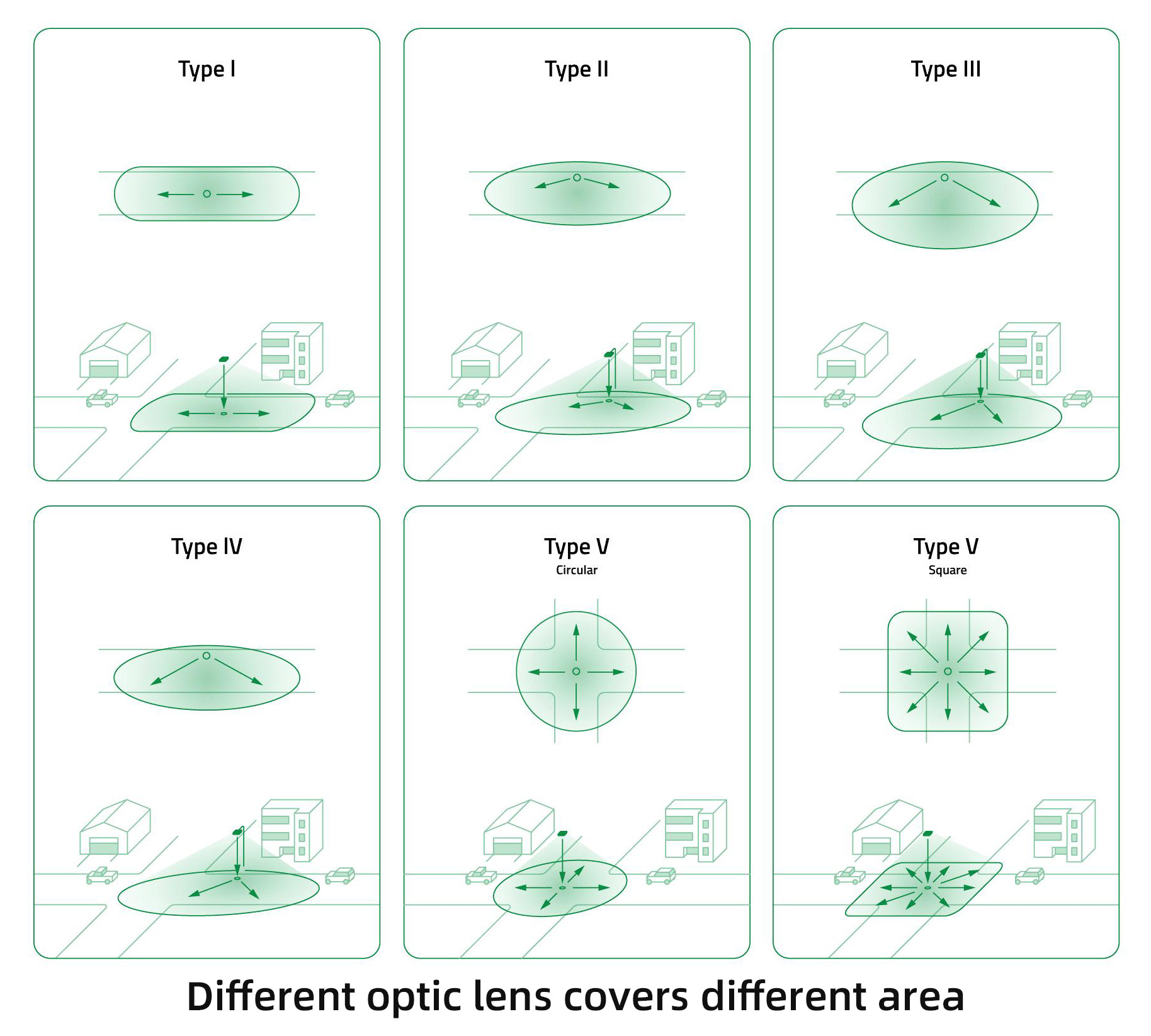
The IES LCS defines luminaire types based on the lateral (transverse) and longitudinal distribution of light on the road surface.

Lateral Light Distribution Types (based on half-maximum candela trace):


Type Description Application
Type I Light primarily within 1× mounting height (MH) on either side of luminaire Narrow sidewalks, paths, median-mounted street lights
Type II Half-maximum candela trace at approximately 25° lateral width Narrow roads, bike paths
Type III Half-maximum point between 1.75× and 2.75× MH in front of luminaire Medium-width roads, residential streets
Type IV Half-maximum candela trace extends beyond 2.75× MH; strong lateral projection Wide-area lighting, parking lots
Type V Circular/symmetric distribution Area lighting, large open spaces

Longitudinal Light Distribution (based on maximum candela trace):


Distribution Maximum Intensity Point Suitable Pole Spacing
Short 1.0–2.25 MH Small spacing
Medium 2.25–3.75 MH Medium spacing
Long 3.75–6.0 MH Large spacing

For example, a Type III Medium distribution is suitable for roads of medium width with medium pole spacing.

3.2 Pole Spacing Guidelines

A common field guideline for pole spacing is 3 to 5 times the mounting height:

  • Spacing ≈ 6–10 × mounting height is a starting point, but road width, beam distribution, and surrounding structures affect the final decision

  • For roads 5–7m wide with 5–7m poles, spacing of 10–25m is typical

  • For 8m mounting height, spacing of approximately 24m is common

  • Pole height should be at least half the road width

4. Installation Best Practices

4.1 Pre-Installation Checklist

Before installation, verify:

  • Pole height matches the LED optic specification

  • Existing wiring voltage matches the driver rating (120V / 277V / 347V / 480V)

  • Road/sidewalk illumination requirements are clearly defined

4.2 Mounting

LED street lights are typically installed using:

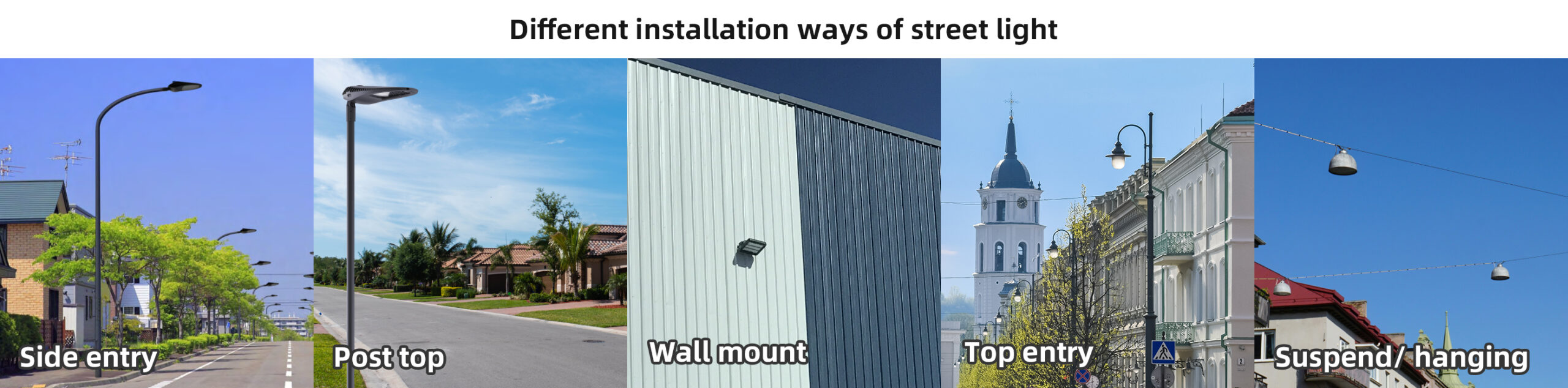
  • Horizontal arms

  • Vertical pole-top mounts

  • Adjustable slip fitters

Critical considerations:

  • The fixture should sit level or slightly down-tilted – upward tilt causes glare

  • Reusing old arms from sodium lamps may not work—LED optics are more focused

  • For double-arm installations, luminaires shall be connected through the arms at the top of the pole

4.3 Wiring

  • Power off at the breaker before any connection

  • Confirm actual line voltage, not assumed voltage

  • Proper grounding (not improvised)

  • Secure driver connections, especially with photocells

  • LED drivers don’t behave like old ballasts—wrong voltage causes failure

Wiring best practices: Use a strain-relief fitting and add a drip loop to minimize water intrusion.

4.4 Post-Installation Aiming

After installation:

  1. Turn on the LED street light at night

  2. Walk the area and check from actual pedestrian/driver viewpoints

  3. If light spills into windows or hits eye level, adjust immediately

“LED street lights are honest. They show mistakes clearly.”

5. Thermal Management

Thermal management is critical for LED longevity. LED junction temperature increases of 10°C can halve the lifespan. Key considerations:

  • Heat sink design: Die-cast aluminum heat sinks with optimized fin geometry

  • Thermal simulation: Finite Element Method (FEM) analysis is used to predict junction temperatures

  • Testing: Real-world aging tests under various ambient temperatures verify thermal performance

Typical design targets:

  • Heat sink temperature stability ≤45°C at 25°C ambient

  • Junction temperature below 85°C warranty threshold

6. Quality Assurance and Testing

6.1 Laboratory Testing Capabilities

A qualified LED street light manufacturer should offer comprehensive testing, including:

  • Photometric testing (IES LM-79 compliant) – total luminous flux, efficacy, intensity distribution

  • Lumen maintenance testing (IES LM-80 compliant) – long-term lumen depreciation

  • Environmental reliability – temperature cycling, humidity, salt spray

  • Ingress Protection (IP) – IP65 minimum for street lighting

  • Surge protection – per ANSI C136.2 requirements

  • Vibration testing – per ANSI C136.31

6.2 Key Certifications for Market Access


Market Required Certifications
North America UL, DLC (Premium), ENERGY STAR
Europe CE, ENEC, ENEC+, RoHS
Australia SAA
Middle East SASO
China CQC, CCC, Energy Conservation

DLC (DesignLights Consortium) certification is particularly important for utility rebate programs in North America and requires minimum CRI of 50 for outdoor roadway luminaires.


Summary Checklist for LED Street Lighting Projects


Aspect Key Considerations
Standards IES LM-79/LM-80, ANSI C136, EN 13201 or local equivalent
CCT 3000K (residential) / 4000K (arterial/highway)
CRI ≥70 (IESNA: ≥50; DLC: ≥50)
Efficacy ≥130 lm/W
Lumen Maintenance ≥90% at 10,000 hours (LM-80 verified)
IP Rating ≥IP65
Surge Protection ≥6kV/3kA (ANSI C136.2)
Distribution Type I–V based on road width and application
Pole Height ≥ half road width
Pole Spacing 3–5× mounting height (preliminary)
Uniformity Varies by road class (residential: 6:1; commercial: 3:1)
Glare Minimize with U0 BUG rating, proper aiming
Certifications UL/DLC (NA), CE/ENEC (EU), SAA (AU), etc.

This guide is intended as a technical reference for specifiers, contractors, and procurement professionals. For project-specific recommendations, consult with your LED lighting manufacturer or a qualified lighting designer.


Key Considerations for LED Street Lighting Optical Design

Effective LED road lighting requires a holistic approach that balances road illumination requirements, environmental impact, safety, intelligence, and aesthetics. Below are the core technical considerations we apply to every custom project:

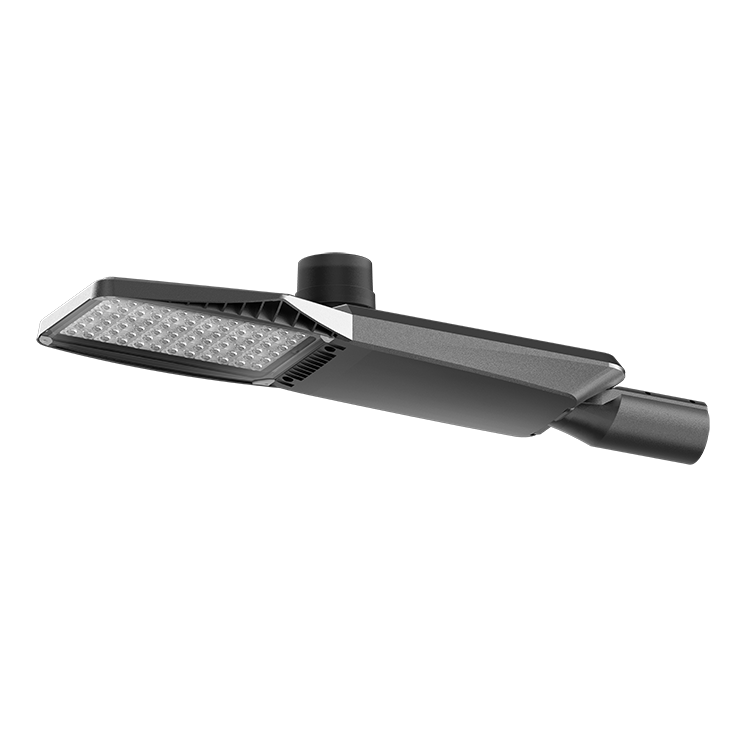
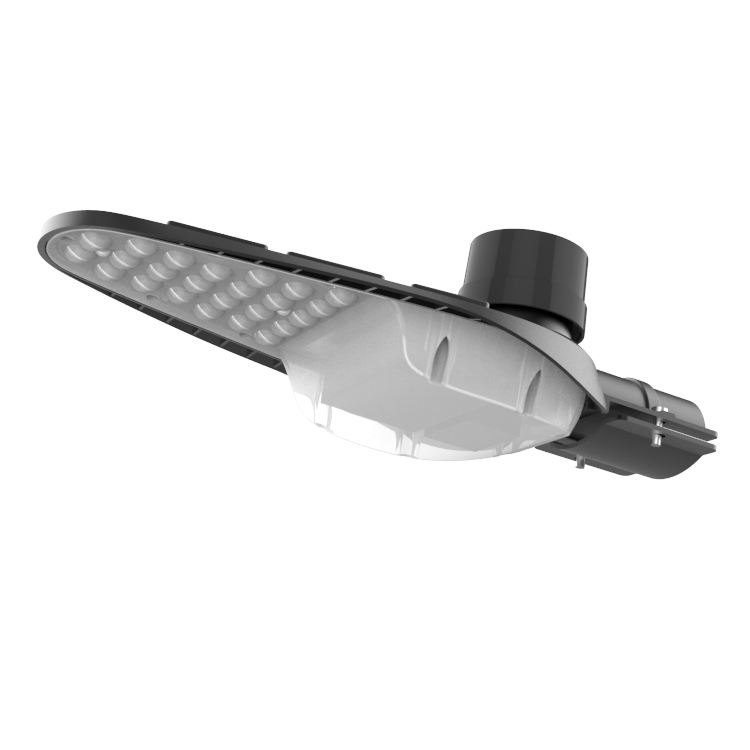
1. Precise Light Distribution – Leveraging the small light‑source characteristics of LED chips, we precisely control light direction through secondary optical design. This ensures uniform road surface illumination, enhances overall luminaire efficacy, and minimizes spill light that contributes to light pollution.

2. Rectangular Light Pattern with Asymmetric Free‑form Optics – A rectangular light pattern is essential to cover roadways accurately while reducing waste light outside the target area. We achieve this using asymmetric free‑form secondary optical elements on individual LED modules, which also simplifies thermal management and driver integration – improving both optical efficiency and system reliability.

3. Hybrid Reflector Array for Enhanced Uniformity – For projects requiring superior uniformity, we design hybrid reflector optical structures with adjustable deflection angles per light source column. This approach eliminates dark bands and uneven patches, reducing driver visual fatigue and enhancing road safety.

4. Humanized Sidewalk & Non‑motorized Lane Illumination – Beyond the main carriageway, we incorporate dedicated optical treatment for sidewalks and bicycle lanes, ensuring pedestrian and cyclist safety at night without adding extra fixtures.

By integrating these design principles, we deliver comprehensive road lighting solutions that are safe, efficient, and visually comfortable – with minimal environmental footprint and optimal user experience.


Optical Simulation – Precision Engineering for Every Project

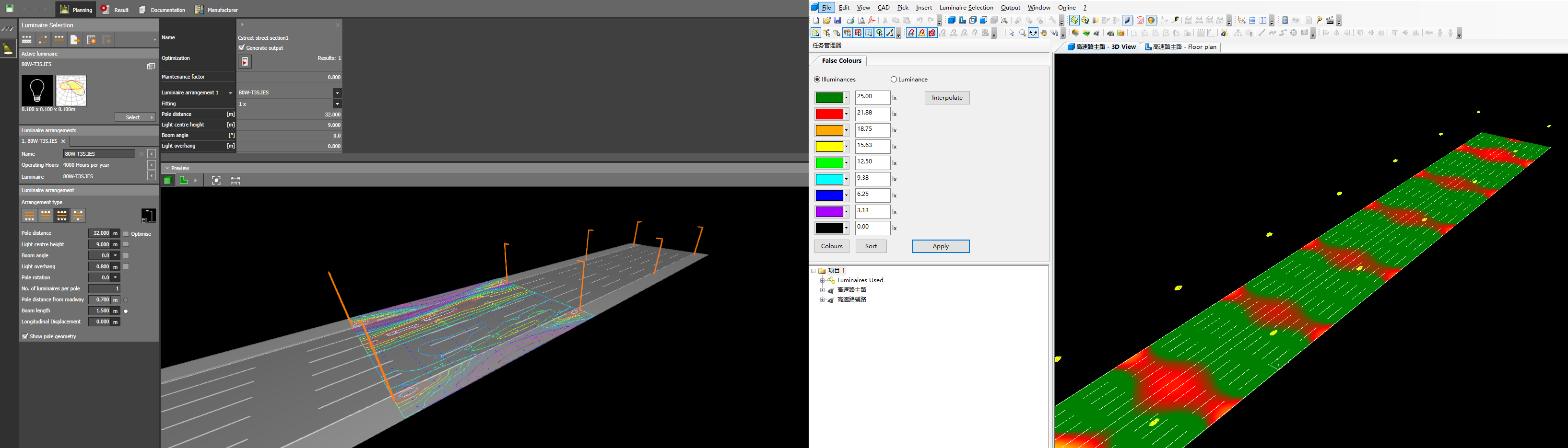
At MasonLED, we integrate optical simulation software throughout the entire project lifecycle – from initial concept to pre‑production verification. This enables us to engineer LED street lighting solutions that deliver optimal photometric performance while minimizing light pollution and energy waste.

How We Do It:

  • Light Propagation Prediction – We simulate the path of light emissions to anticipate distribution patterns, ensuring uniform illumination across the target area and controlling spill light beyond the roadway.

  • Component-Level Optimization – Reflectors, lenses, and secondary optics are virtually tested and iteratively refined to achieve the ideal light distribution for each specific project – whether Type I, II, III, IV, or V.

  • Comprehensive Performance Evaluation – Each design undergoes virtual illuminance analysis, luminance mapping, and glare assessment (including Threshold Increment and BUG rating), ensuring compliance with IES, EN 13201, or CJJ45 standards before physical prototyping begins.

  • Cost-Effective Development – By identifying and correcting optical design issues early in the digital phase, we eliminate expensive tooling modifications and production rework – accelerating your time-to-market while reducing overall project costs.

The result: customized LED street lighting that meets real‑world requirements, complies with safety standards, and delivers long‑term performance – all with fewer iterations and shorter development cycles.

Smart control, smart future


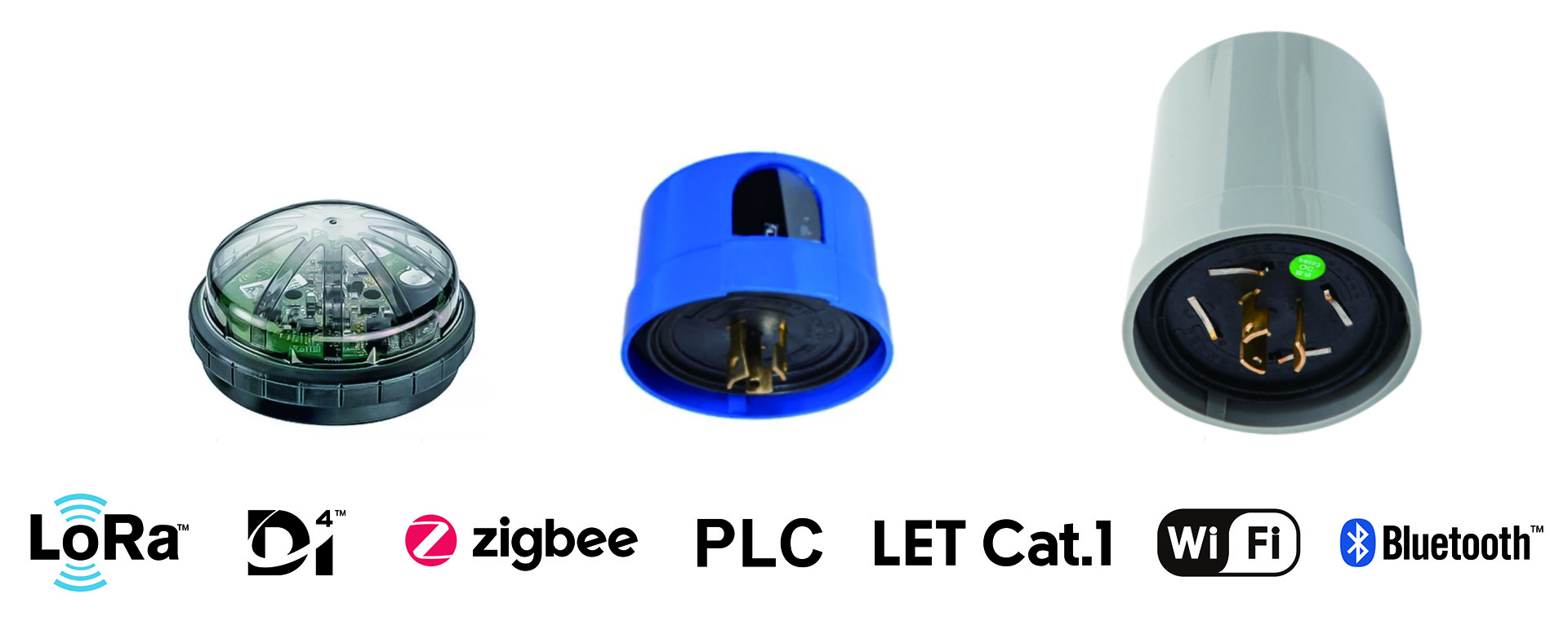
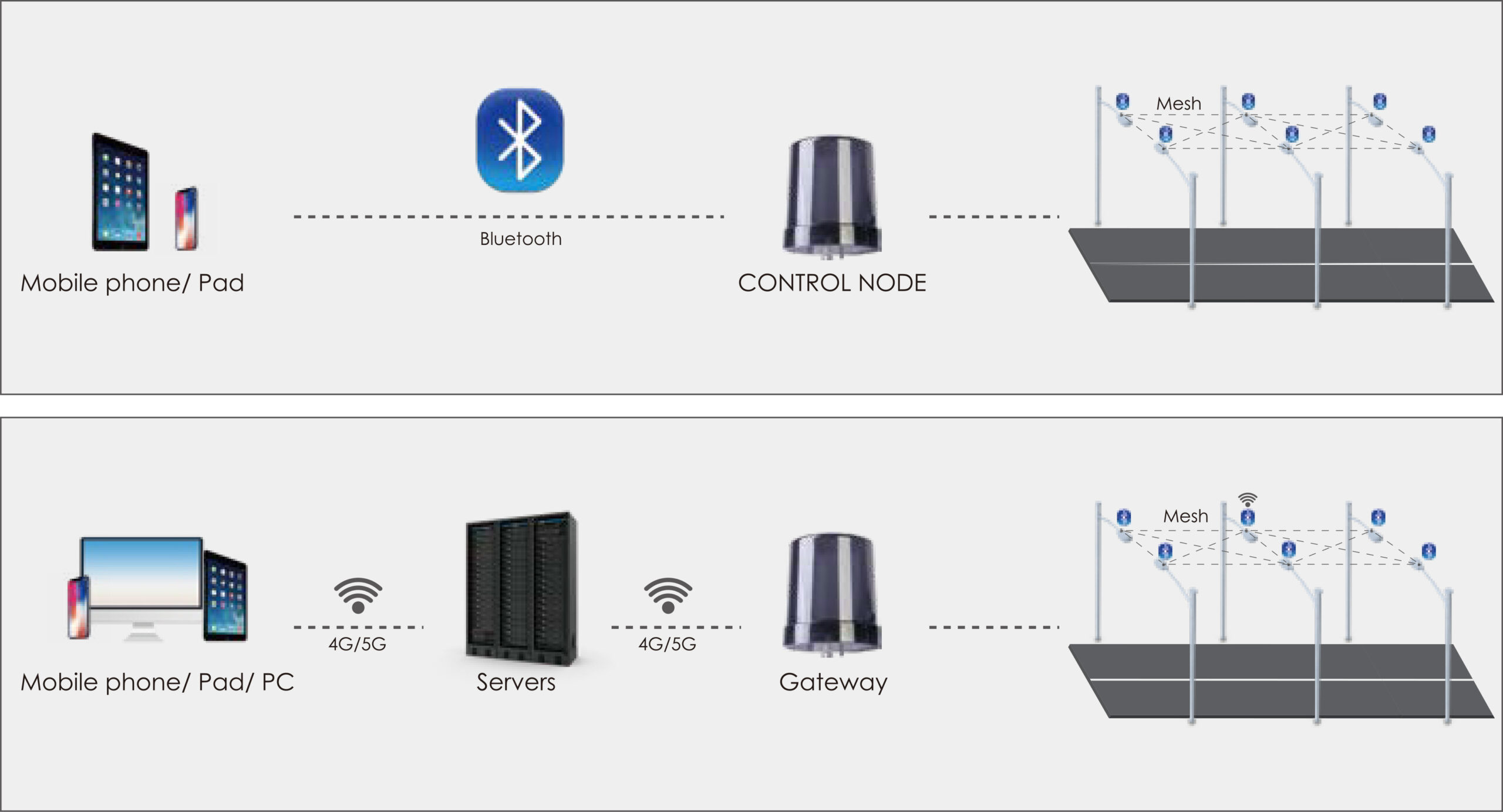
Our LED luminaires feature Zhaga and NEMA standard‑compliant bases, supporting a comprehensive range of intelligent controls – including light sensing, time scheduling, motion detection, and wired/wireless remote management. This integrated flexibility enables precise energy optimization, reduces maintenance overhead, and simplifies system administration. Tailored for smart city applications, our solutions adapt seamlessly to evolving urban infrastructure demands while delivering measurable operational savings.

Smart City – Smarter Street Lighting

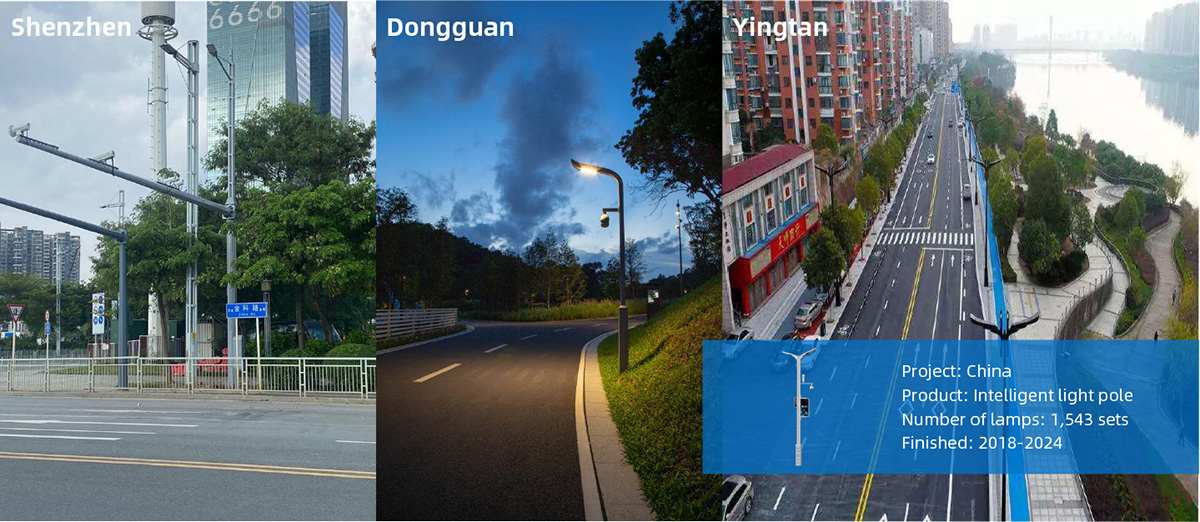
Smart cities leverage next‑generation technologies to improve infrastructure efficiency, public services, environmental sustainability, and urban management. As a key component of this ecosystem, intelligent street lighting plays a central role – serving not only as energy‑efficient illumination but also as a multi‑functional platform for urban connectivity.

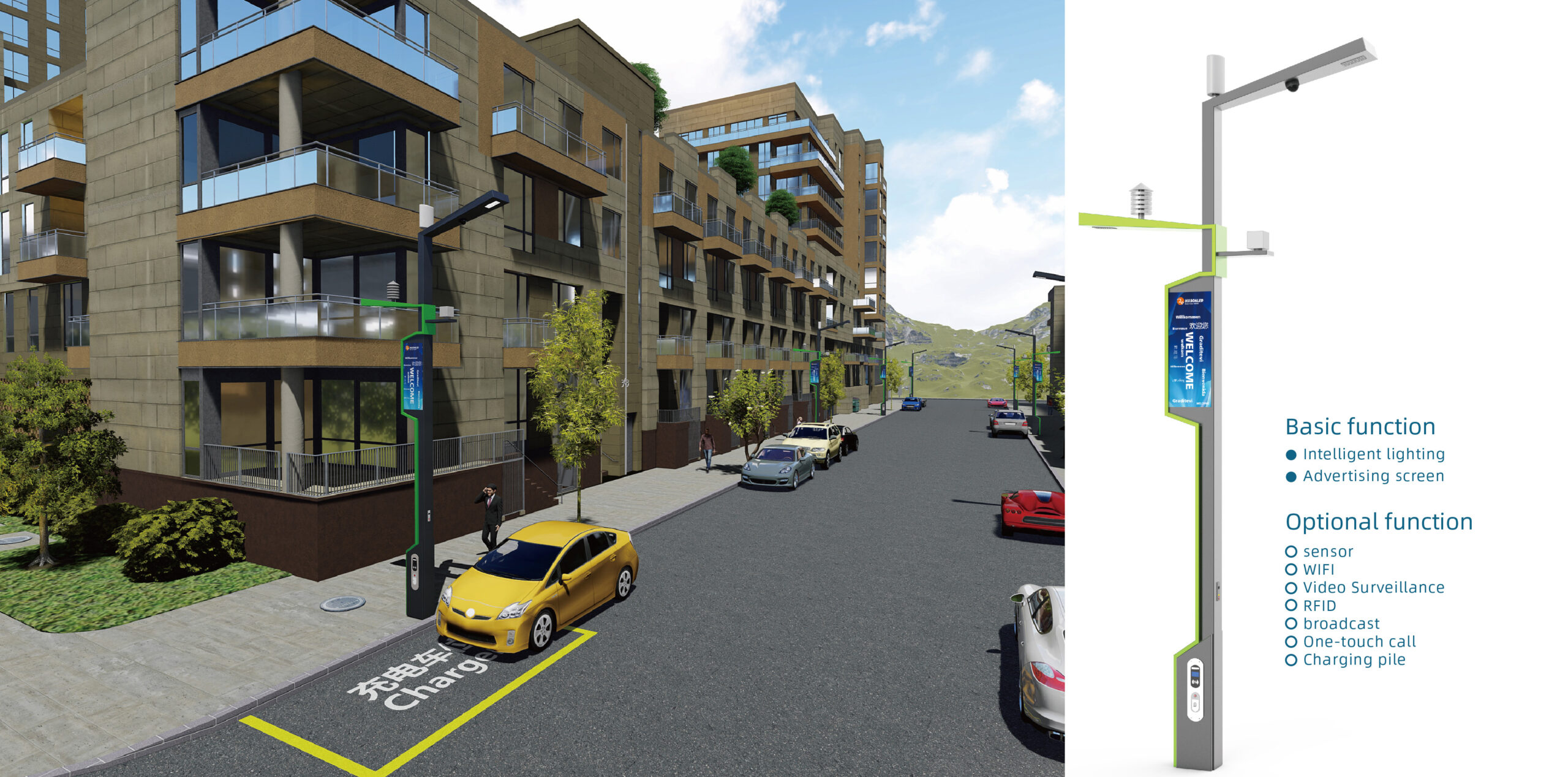
Our smart light poles integrate IoT, cloud computing, and big data capabilities into a single infrastructure node. Each pole can be equipped with:

  • Communication modules – 5G/4G base stations, Wi‑Fi access points

  • Surveillance & security – Video monitoring, one‑touch emergency calling

  • Public information – LED advertising screens, broadcasting systems

  • Smart mobility – EV charging stations, traffic sensors

By consolidating these functions, our smart light poles reduce urban infrastructure clutter, lower deployment costs, and enable real‑time data collection for city management. They adapt seamlessly to evolving municipal needs – from pedestrian safety and environmental monitoring to parking guidance and public alert systems.

Designed for the cities of tomorrow – built with today’s proven engineering.

Our Advantage

With a seasoned R&D team and extensive real-world application experience, MasonLED holds a distinct edge in delivering tailored lighting solutions to a global customer base. Our capabilities span both industrial and commercial sectors, as well as general and intelligent lighting applications.

We have successfully executed customized LED lighting projects for diverse applications, including:

  • Transit & Infrastructure – Metro and roadway lighting

  • Retail & Display – Advertising signage and refrigerator/freezer lighting

  • Food & Agriculture – Specialty lighting for meat and produce displays

  • Warehousing & Logistics – High-bay and industrial storage lighting

These projects have been deployed across Australia, Germany, France, the United States, and other key markets, demonstrating our ability to meet varied regional standards and performance requirements.

ODM/OEM Capabilities

Our comprehensive manufacturing infrastructure and engineering expertise position us as a reliable partner for both ODM (Original Design Manufacturing) and OEM (Original Equipment Manufacturing) projects. We excel in:

  • Concept-to-production – From initial design and prototyping to mass production and delivery

  • Full customization – Optical, mechanical, electrical, and thermal design tailored to your specifications

  • IP protection – Strict confidentiality agreements to safeguard your proprietary designs

  • Flexible scaling – Pilot runs to container-load orders with consistent quality assurance

Whether you require a standard product modification or a completely new design, MasonLED provides the technical depth and operational capacity to bring your vision to market.

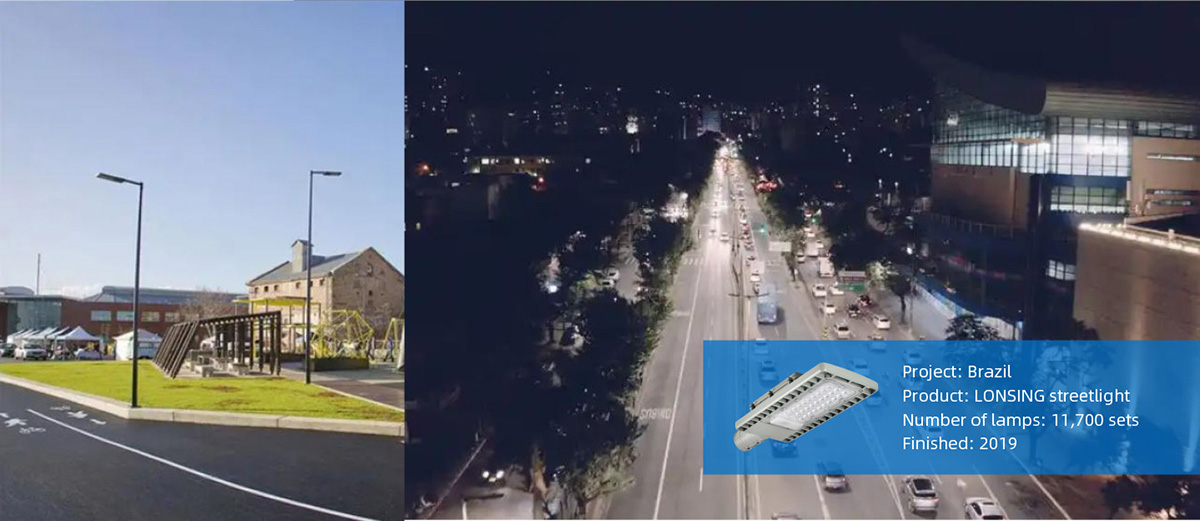
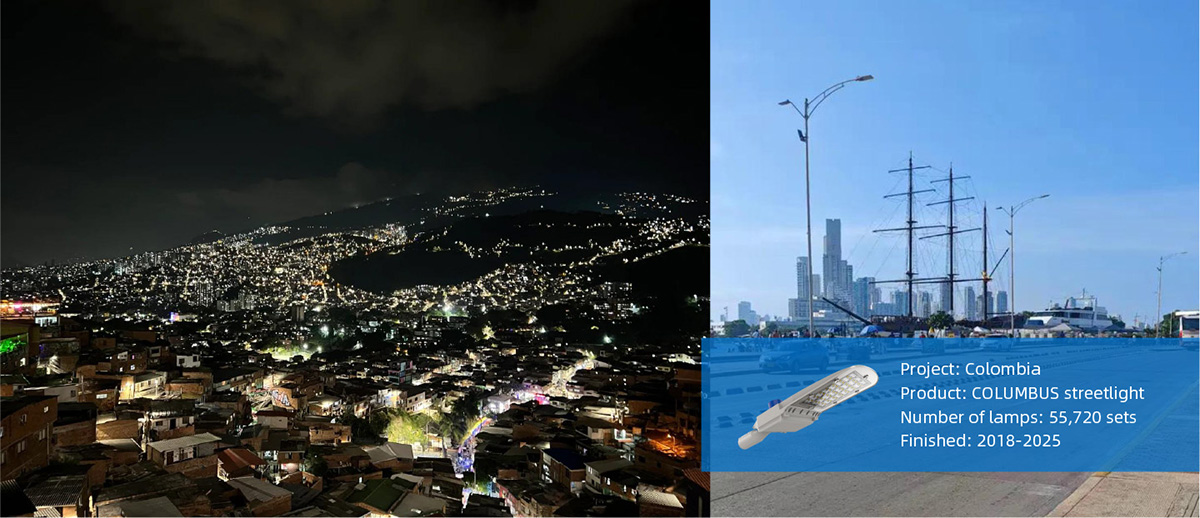
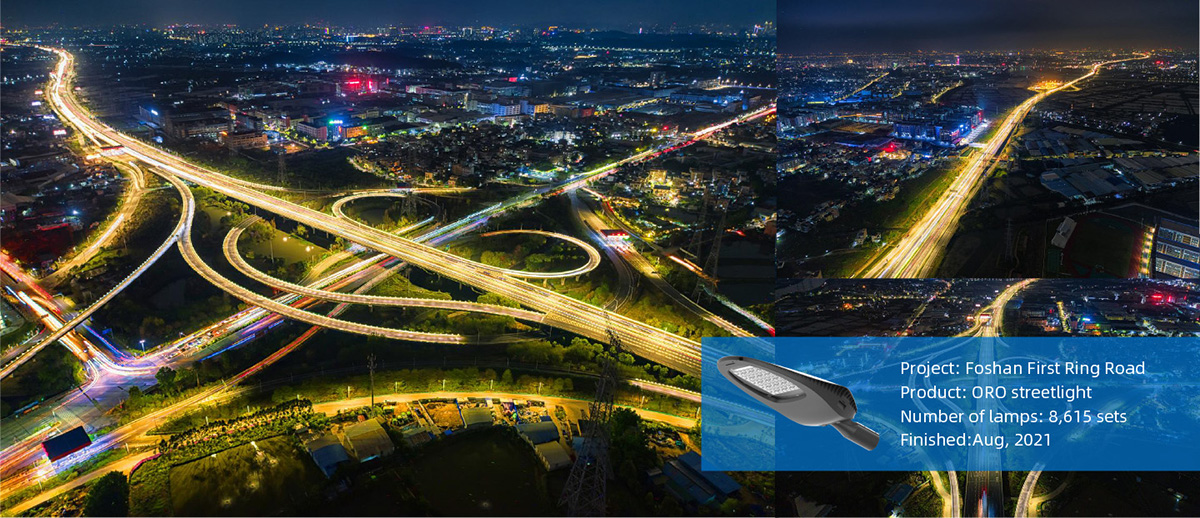
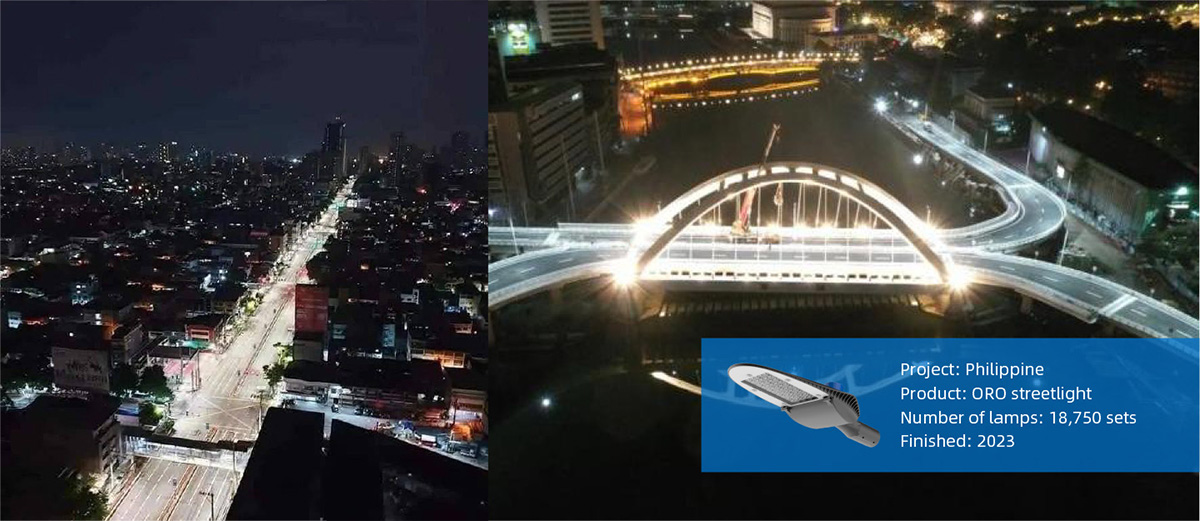
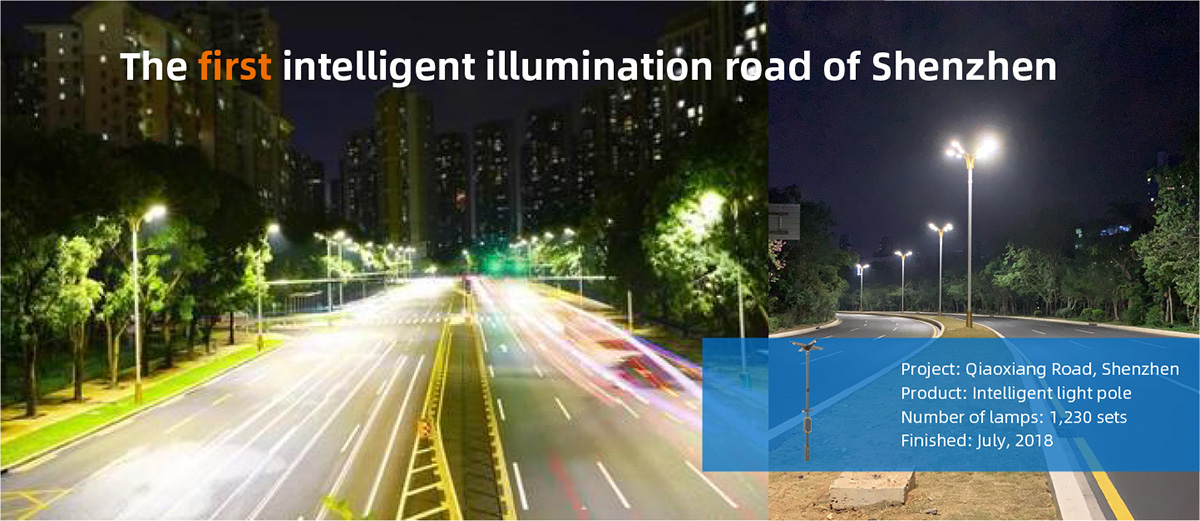
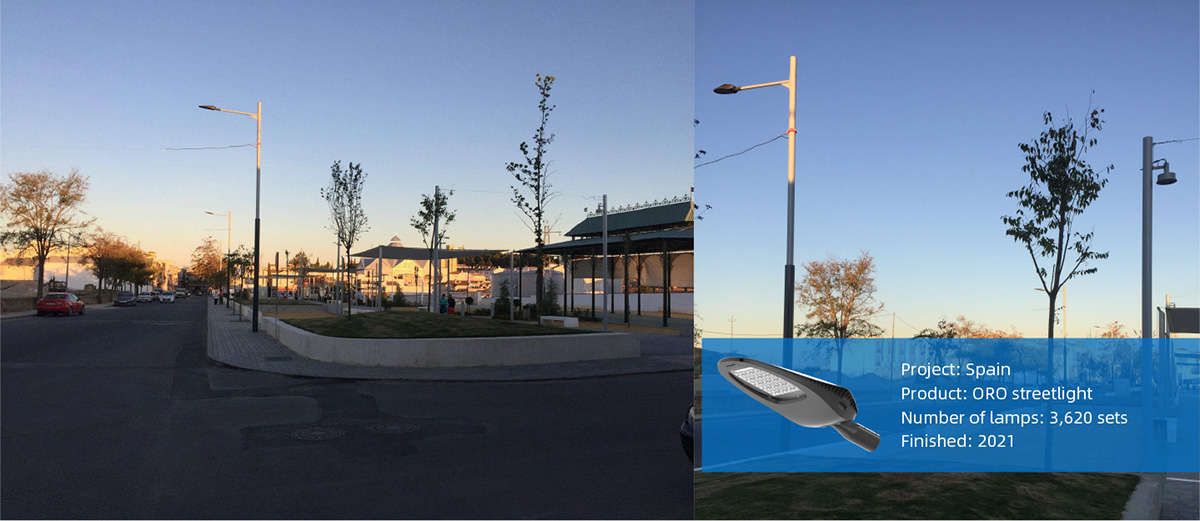
Project Case

Related Articles

How can we help you?

Get in Touch