
In the crowded landscape of commercial and industrial lighting, it’s easy to get lost in a sea of generic fixtures. But what if your lighting choice wasn’t just about brightness—it was about reliability, durability, and long-term value? Our street lights, high bay lights, and tri-proof lights stand out not by accident, but by design: every fixture is built with private molds and put through no fewer than 50 rigorous tests before hitting the market. This commitment isn’t just a marketing talking point—it’s a game-changer for businesses, municipalities, and facilities that refuse to compromise on performance. Let’s dive into the pros, cons, and why this approach matters more than ever.
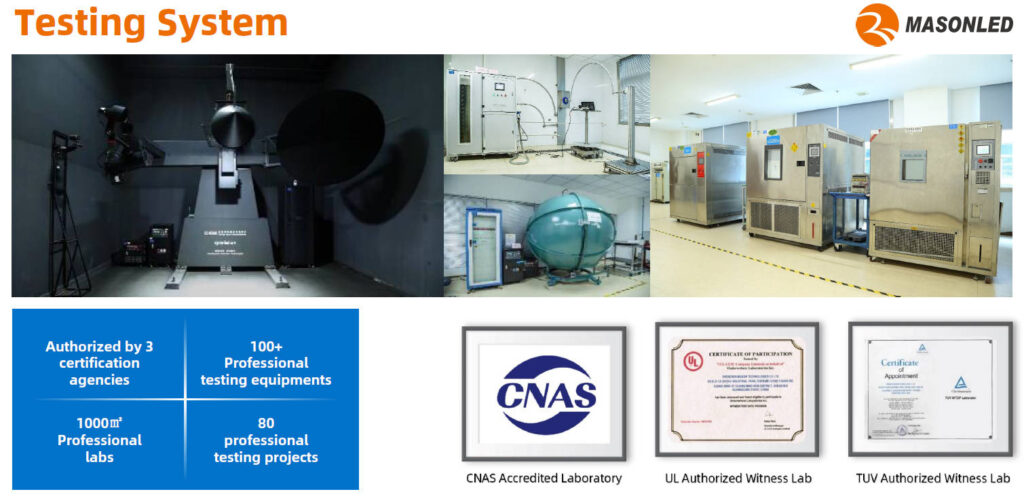
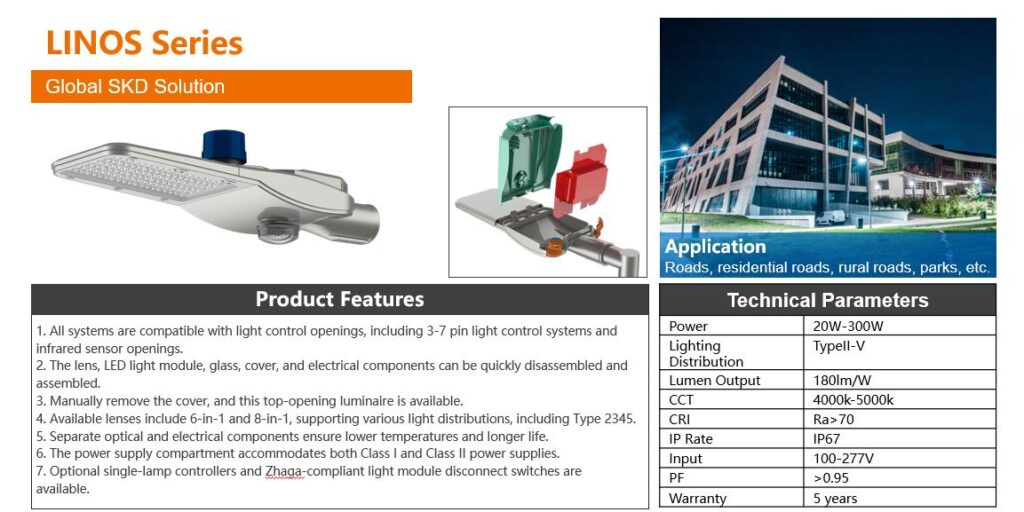
First, let’s clarify what makes Masonled lighting unique. Private molds mean these fixtures aren’t mass-produced from off-the-shelf designs used by dozens of brands. We collaborated with engineering teams to craft custom tooling, tailoring every curve, component fit, and structural detail to optimize functionality. For street lights, that means a more aerodynamic shape to resist high winds and reduce dust buildup; for high bay lights, a precision-molded heatsink that enhances thermal management; for tri-proof lights, seamless seals that eliminate weak points where moisture or dust could seep in. Pair that with 20+ tests—spanning environmental resistance, electrical safety, performance longevity, and structural integrity—and you get a product that’s been stress-tested to withstand real-world chaos.
The Pros: Why Private-Mold + 20+ Tests Deliver Unbeatable Value
1.Unmatched Durability & Reliability
Generic lighting often cuts corners on mold quality and testing, leading to premature failures: street lights that crack in extreme temperatures, high bay lights that overheat in factories, tri-proof lights that leak in damp warehouses. Our private molds ensure consistent, high-quality manufacturing—no uneven seams, loose fittings, or shoddy plastic. The 50+ tests take this further: we subject fixtures to -40°C (-40°F) cold and 60°C (140°F) heat for 72 hours straight, blast them with salt spray to simulate coastal corrosion, expose tri-proof lights to IP68-level water submersion, and run electrical load tests for 1,000+ hours to check for short circuits or voltage fluctuations. The result? Fixtures that last 5-7 years longer than standard options, with a failure rate of less than 0.5%. For municipalities maintaining street lights or warehouses running 24/7, this means fewer replacements, lower maintenance costs, and zero downtime from unexpected outages.
2.Optimized Performance for Specific Use Cases
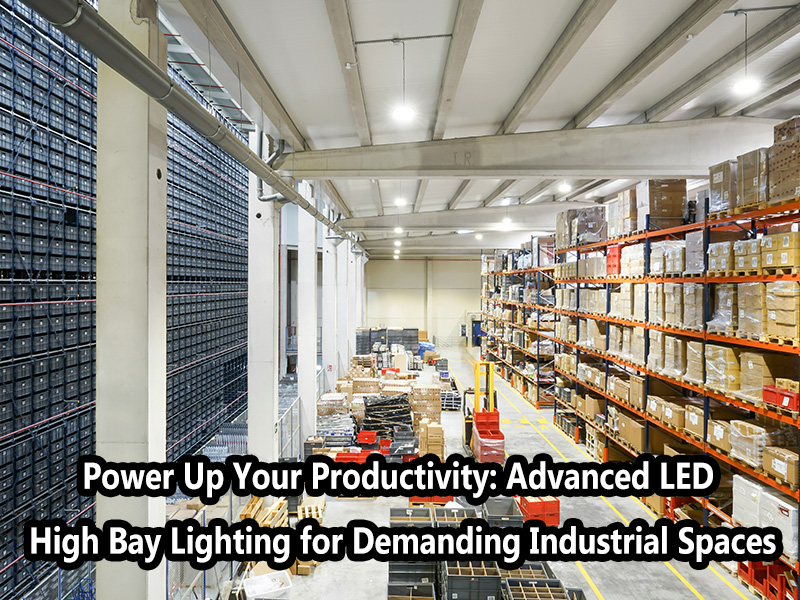
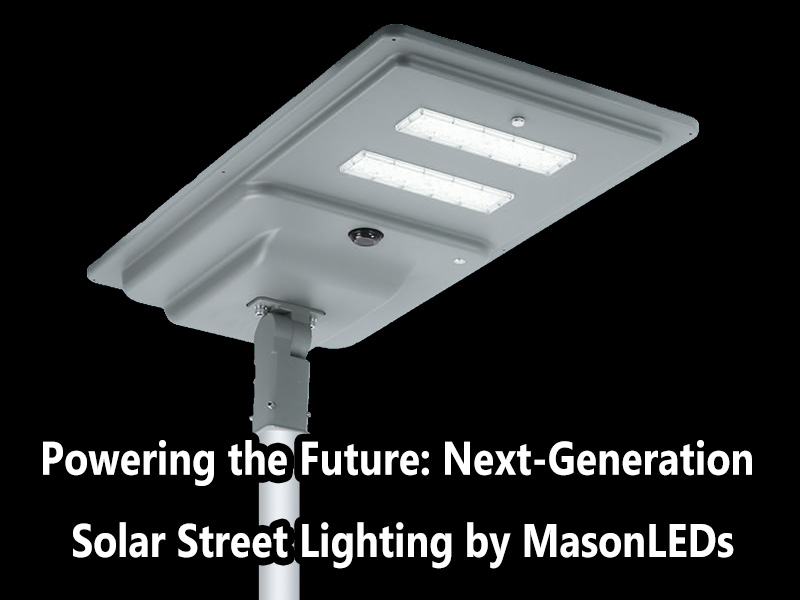
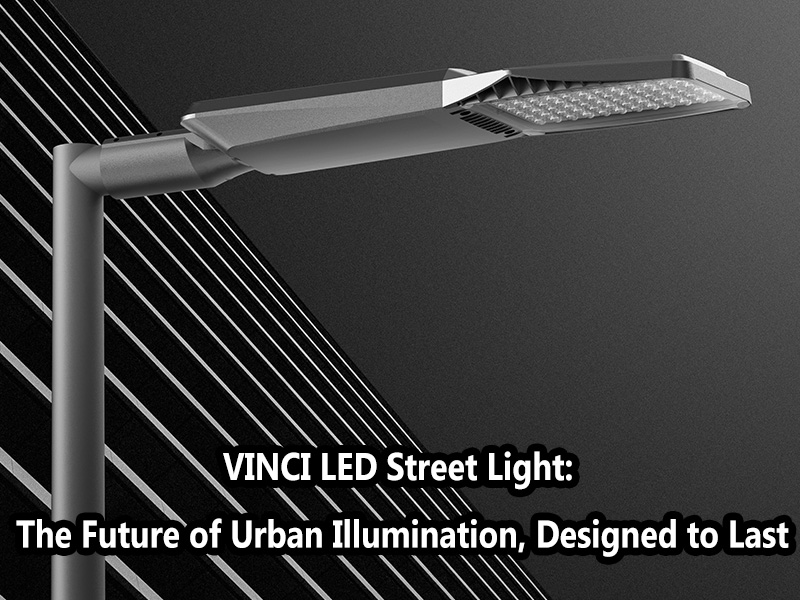
Private molds let us design around real needs, not one-size-fits-all compromises. Our street lights feature a custom optical lens (molded to our specs) that distributes light evenly across roads, reducing glare for drivers and eliminating dark spots—critical for safety. High bay lights have a mold-designed airflow system that keeps LEDs cool, preserving brightness over time (generic models often dim by 30% within 2 years). Tri-proof lights’ private-molded gaskets create an airtight seal that outperforms standard designs, making them ideal for food processing plants, cold storage, or outdoor construction sites. The 20+ tests validate these optimizations: we measure light distribution with photometric testing, verify thermal efficiency with infrared imaging, and confirm waterproofing with pressure tests. You’re not just buying a light—you’re buying a fixture engineered for your environment.
3.Reduced Total Cost of Ownership (TCO)
It’s true: private-mold lighting with extensive testing comes with a higher upfront price tag. But when you calculate TCO—including purchase cost, maintenance, replacements, energy use, and downtime—the scales tip dramatically. A generic street light might cost 30% less initially, but if it needs replacement every 3 years (vs. 8-10 years for ours) and requires quarterly maintenance checks, the long-term cost is 2x higher. Our 50+ tests include energy efficiency validation, ensuring fixtures meet DLC Premium standards and cut electricity bills by 15-20% compared to inefficient alternatives. For a warehouse with 100 high bay lights, that’s $5,000–$8,000 in annual savings. Add in fewer service calls (our fixtures require minimal maintenance for the first 5 years) and zero productivity losses from unexpected outages, and the investment pays for itself in 18-24 months.
4.Brand Differentiation & Trust
For businesses that prioritize quality—whether you’re a contractor bidding on municipal projects or a facility manager upgrading a manufacturing plant—our lighting becomes a competitive advantage. Clients and stakeholders recognize that private molds and 50+ tests signify a commitment to excellence. Municipalities, in particular, value the reliability: street lights that don’t fail in storms mean safer communities and happier residents. For industrial facilities, tri-proof lights that withstand harsh chemicals or high humidity reduce liability risks (e.g., electrical hazards from water damage). Choosing our fixtures isn’t just a practical decision—it’s a statement that you care about long-term performance and safety.
The Cons: What to Consider Before Investing
1.Higher Upfront Cost
There’s no getting around it: private mold development is expensive (custom tooling can cost 5-10x more than off-the-shelf molds), and 20+ tests add time and resources to the production process. As a result, our fixtures are 20-35% more expensive upfront than generic lighting. This can be a barrier for small businesses or projects with tight immediate budgets. However, as noted earlier, the TCO advantage erases this gap over time—so it’s a trade-off between short-term savings and long-term value.
2.Longer Lead Times
Generic lighting is readily available—you can order it today and receive it next week. Our private-mold fixtures, by contrast, require more production time (4-6 weeks for standard orders), as each component is manufactured to our custom specs. For urgent projects (e.g., a warehouse that needs lighting upgrades tomorrow), this lead time might be a dealbreaker. We recommend planning ahead—our team works with clients to schedule production timelines and offer expedited options (for a premium) when needed.
3.Limited Customization Post-Purchase
Because our fixtures are built from private molds, modifying them post-purchase (e.g., changing the light distribution, adjusting the housing size) is difficult and costly. Generic lighting often offers more “mix-and-match” components, but this flexibility comes at the cost of performance consistency. If you need a highly specialized fixture (e.g., a street light with a unique mounting bracket), we can accommodate customizations during the pre-production phase—but once the mold is set, changes aren’t feasible. This works best for clients who have clear, defined needs and don’t anticipate frequent design shifts.
Why the Pros Outweigh the Cons (For Most Users)
In a world where “cheap and fast” often translates to “replace and repeat,” our private-mold, 50+ test approach is a rebellion against disposability. The upfront cost and lead time are minor inconveniences compared to the headaches of frequent replacements, safety risks, and rising maintenance bills. Let’s put it in perspective: a city that installs 500 of our street lights will spend $15,000–$25,000 more upfront than generic options—but save $50,000+ over 10 years in replacement parts, labor, and energy costs. A manufacturing plant using our high bay lights will avoid costly downtime (estimated at $2,000–$5,000 per hour for many facilities) from failed fixtures.
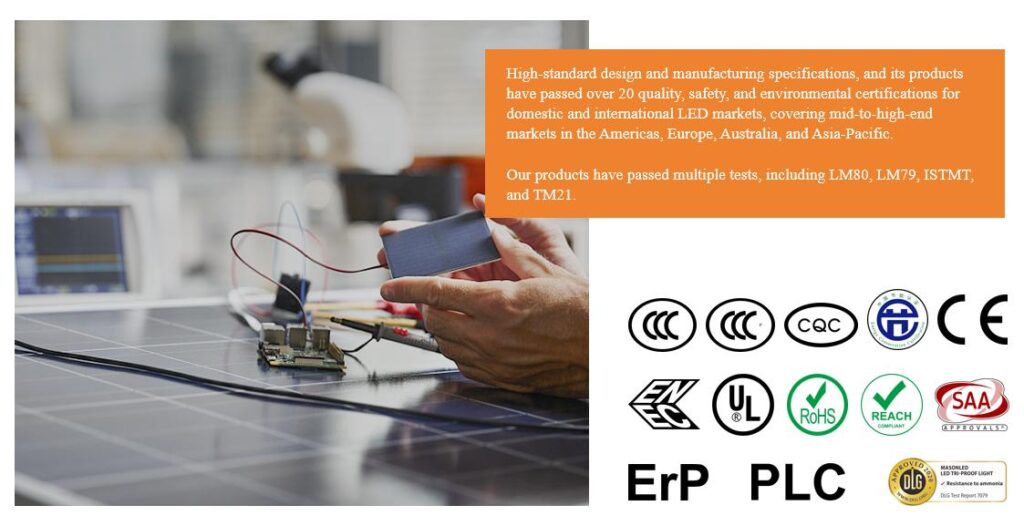
Moreover, the 20+ tests aren’t just about durability—they’re about compliance. Our fixtures meet global standards (UL, CE, RoHS, IP65/IP68) because every test is designed to validate regulatory requirements. This eliminates the risk of fines or project delays due to non-compliant lighting, a common issue with generic products that skip rigorous testing.
Who Should Choose This Lighting?
- Municipalities building or upgrading street lighting (prioritize safety and long-term reliability)
- Warehouses, factories, and industrial facilities (need durable, low-maintenance high bay/tri-proof lights)
- Coastal or harsh-environment projects (require corrosion-resistant, weatherproof fixtures)
- Businesses focused on sustainability (energy-efficient, long-lasting fixtures reduce waste)
If your top priority is the lowest possible upfront cost or immediate availability, generic lighting might be a better fit. But if you’re investing in lighting that needs to perform, last, and save you money over time—there’s no comparison.
Final Thought: Lighting That Works As Hard As You Do
Our private-mold street lights, high bay lights, and tri-proof lights aren’t just products—they’re promises. Promises that your lighting won’t fail when you need it most. Promises that you won’t be stuck replacing fixtures every few years. Promises that every dollar you spend delivers maximum value. The 50+ tests aren’t just hoops we jump through—they’re proof that we stand behind our design.
In a market flooded with shortcuts, choosing quality is an act of confidence. Confidence in your project, confidence in your budget, and confidence in the future. So why settle for generic lighting that’s built to sell, not to last? Choose private-mold fixtures that’s tested to perform—today, tomorrow, and for years to come.
Ready to see the difference for yourself? Contact our team for a custom quote or request a sample—we’re proud to let our lighting speak for itself.