
The Future Trends of the LED Industry: Transformation Driven by Technology, Sustainability and Scenarios
As the global LED industry enters a critical transition period of stabilization after a period of adjustment, its future development is no longer limited to simple energy-saving upgrades, but is moving towards a new era of intelligence, scene integration and high-quality development. Driven by policies, technology and market demand, the LED industry is reshaping the value chain and creating new growth points, with broad prospects worthy of attention.
First and foremost, sustainability and energy conservation will remain the core driving force of the industry’s development. With the deepening of global “dual carbon” goals and the tightening of energy-saving policies, LED lighting, which can save 40% of energy on average, has become an important carrier for global carbon reduction. It is expected that by 2033, the global LED lighting market will reach 53.69 billion US dollars, with a CAGR of 5.2% from 2025 to 2033. Europe, driven by mandatory energy-saving renovation needs, and the Asia-Pacific region, especially Southeast Asia with a CAGR of 3.6%, will become the main growth regions. At the same time, the industry is moving towards circular development, with modular design increasing the recycling rate of lamp components to 85%, and bio-based materials helping to achieve carbon sequestration.
Intelligent upgrading is reshaping the industry pattern, shifting the competition focus from price to scene value. The global intelligent lighting market is expected to reach 217.85 billion US dollars by 2030, with a CAGR of 13.6% from 2025 to 2030. AI dimming, full-spectrum control and software-defined lighting (SDL) are making lighting products evolve from static devices to intelligent nodes with perception and learning capabilities. Emotional lighting and human-centric lighting (HCL) have become the new focus, which can adjust light color and brightness according to human physiological rhythms, widely used in homes, offices and medical scenes. The popularization of the Matter 1.2 standard has realized cross-platform device interconnection, further promoting the integration of intelligent lighting into the Internet of Things (IoT) ecosystem.
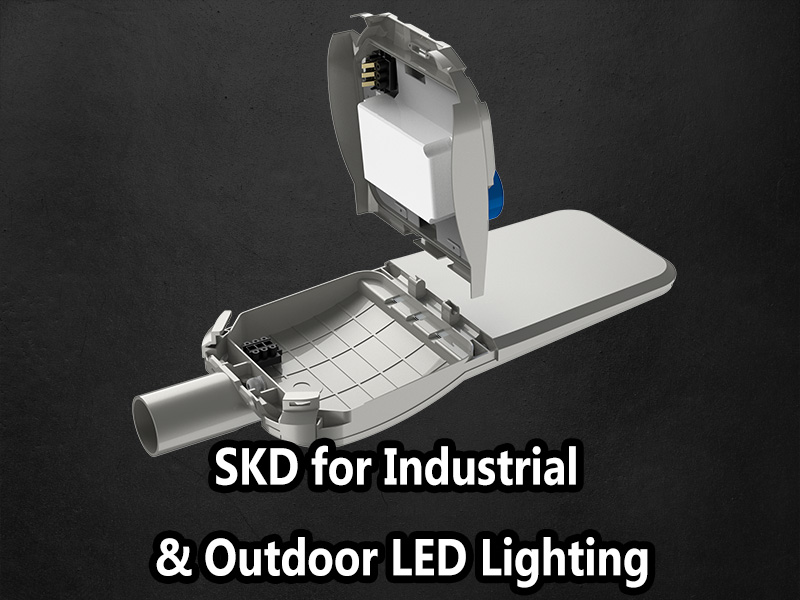
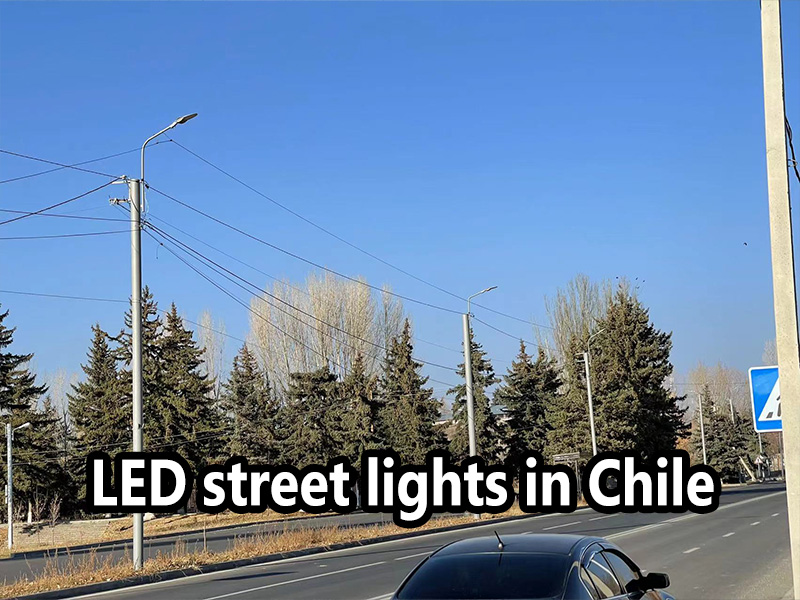
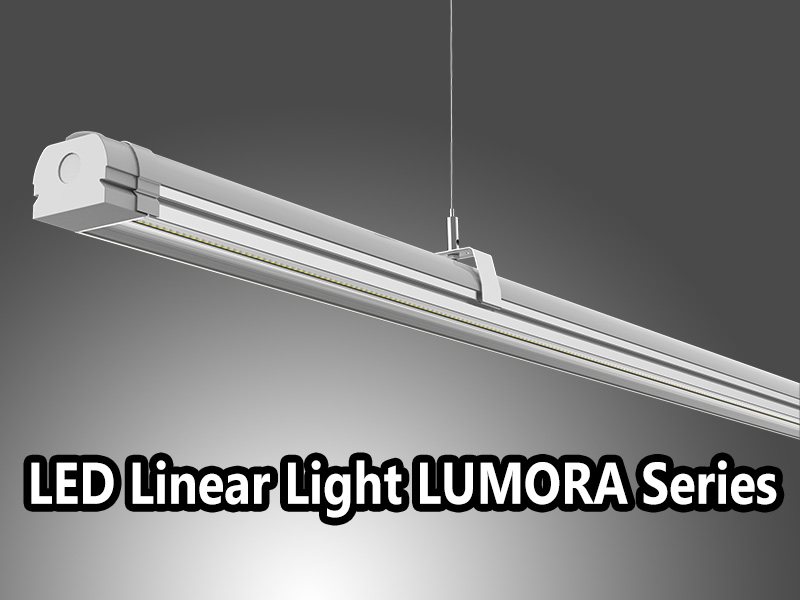
The segmentation of application scenarios will become more refined, and industrial, outdoor and agricultural lighting will become new growth engines. Industrial lighting, driven by energy infrastructure, AI data centers and national defense projects, will become the core growth driver in 2026. Outdoor lighting will benefit from the renewal of old infrastructure and the upgrading of tunnel lighting standards, with smart street lights integrating environmental monitoring and emergency charging becoming the standard configuration of smart cities. In the field of agricultural lighting, despite regional differences, Europe’s demand remains strong, and the global market is expected to reach 10.41 billion US dollars by 2030, driven by high PPE products and intelligent systems.
Technological innovation will continue to break through the performance ceiling of LED products. The application of gallium nitride (GaN) substrate technology has increased the luminous efficiency of commercial LEDs to 220 lumens per watt, and perovskite LEDs have achieved a laboratory luminous efficiency of 320 lumens per watt, promising low-cost mass production. In the packaging market, the industry will bid farewell to price wars and enter a stage of stable prices and quality improvement, with spectral technology and dynamic dimming functions becoming the mainstream of product upgrades.
In terms of the competitive landscape, specialized segmentation has become a key strategy for enterprises to maintain growth. Enterprises focusing on high-tech fields such as explosion-proof lighting and marine lighting have shown more stable performance, while traditional general lighting enterprises are facing pressure from the real estate downturn and price wars. With the intensification of global competition, enterprises with software and hardware integration capabilities and scenario application understanding will gain more advantages.
Looking ahead, the LED industry is undergoing a profound transformation from “functional tools” to “space enablers”. Driven by sustainability, intelligence and scenario innovation, it will continue to integrate with AI, IoT and new materials, shining in smart cities, green energy, healthy life and other fields, and contributing more to global energy conservation and carbon reduction and high-quality economic development.