
Something you need to know about the LED flood light
Nowadays, LED floodlights have become the top choice for many lighting users due to their excellent performance and wide range of application scenarios. If you want to gain a deeper understanding of LED floodlight, there are several key aspects you must master. Next, we will provide a analysis of the relevant key points of LED floodlights.
1.Who is it – The definition and composition of LED floodlights LED floodlights
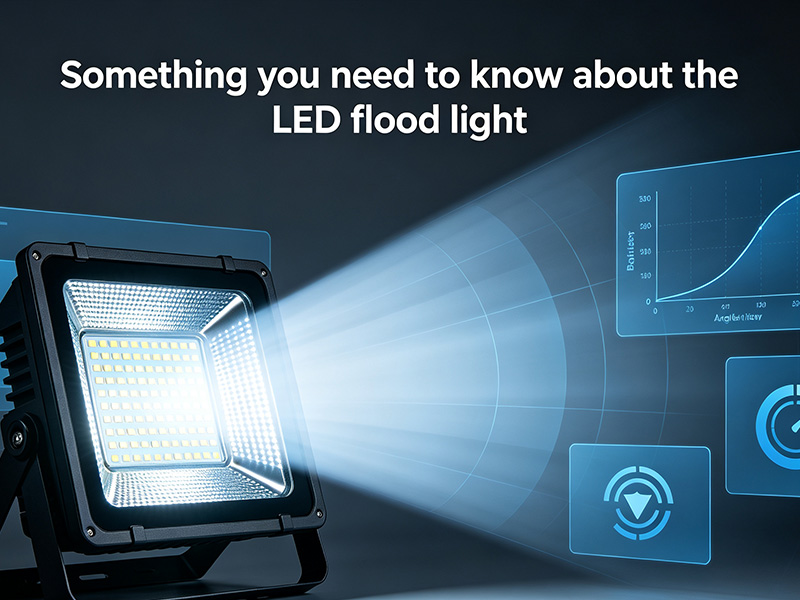
Led flood light is a type of lighting equipment that occupies an important position in modern lighting. It uses LED (light – emitting diode) as the core light source, which has many advantages such as high efficiency and stability. Different from traditional lamps, LED floodlights can evenly illuminate light in all directions. Its unique design allows the light to cover a relatively large area, and this illumination area can be flexibly adjusted according to actual needs. Structurally, LED floodlights usually consist of several key parts: an aluminum reflector, a tempered glass shell, and a die – cast aluminum alloy lamp body. The main function of the aluminum reflector is to reflect and focus the light, thereby improving the light utilization efficiency and enabling more light to reach the area that needs illumination. The tempered glass shell provides reliable protection for the internal LED light source. It not only has good light transmittance but also can effectively resist external impacts and the erosion of harsh environments. The die – cast aluminum alloy lamp body ensures the overall strength and heat dissipation performance of the lamp, ensuring that the LED light source works in a stable temperature environment and prolonging its service life.
LED floodlights are very widely used in practical applications. They are commonly used for the lighting of building facades, which can add a unique night – view effect to buildings and make them the focus of the city at night. In sports stadiums, LED floodlights can provide sufficient and uniform lighting to meet the needs of various sports events. In addition, in the night lighting of outdoor places such as parks and squares, LED floodlights also play an important role, providing safety and convenience for people’s night activities
2.Why is it worth choosing? – An analysis of the advantages of LED floodlights Compared with traditional lighting fixtures.
The advantages of LED floodlights are very significant, which is also an important reason why they are highly favored in the market. First of all, high luminous efficacy is a major highlight of LED floodlights. Luminous efficacy refers to the ratio of the luminous flux emitted by a lighting fixture to the electrical power consumed, with the unit of lm/W (lumens per watt). LED floodlights usually have relatively high luminous efficacy, which means that they can emit more light under the same power consumption, thus providing a brighter lighting effect.
Secondly, long lifespan is another significant advantage of LED floodlights. Generally speaking, the common service life of LED floodlights is about 50,000 hours. This shows an obvious advantage compared with traditional lighting fixtures. Taking traditional incandescent lamps as an example, their service life is usually only about 1,000 hours, and that of fluorescent lamps is only a few thousand hours. A long lifespan means less frequent replacements, which reduces the usage cost and maintenance cost.
Furthermore, low energy consumption is also an important feature of LED floodlights. Under the same brightness, LED floodlights can usually save about 80% of energy. For places where lighting equipment is used for a long time, this can significantly reduce energy consumption and electricity costs, which has good economic benefits and environmental protection significance.
In addition, LED floodlights generate relatively low heat. Traditional lamps produce a large amount of heat during operation, which not only wastes energy but may also have an impact on the surrounding environment. Due to the special principle of light emission of LED floodlights, they generate less heat and can effectively reduce thermal pollution to the environment.
Finally, from an environmental perspective, LED floodlights do not contain harmful substances such as mercury. Mercury is a heavy metal element that poses a serious threat to the environment and human health. Traditional lighting fixtures such as fluorescent lamps usually contain mercury. The mercury-free design of LED floodlights makes them a more environmentally friendly lighting option, meeting the modern society’s demand for green and eco-friendly products.
3.What the Key points for selecting LED floodlights
When purchasing LED floodlights, there are several key indicators that need to be focused on. These indicators will directly affect the performance and usage effect of the lighting fixtures.
IP Rating
The IP rating is an important indicator to measure the dust – and water – proof capabilities of lighting fixtures. Common IP ratings include IP65/IP66, etc. The first digit represents the dust – proof level, and the larger the number, the stronger the dust – proof ability; the second digit represents the water – proof level, and similarly, the larger the number, the better the water – proof ability. For LED floodlights used outdoors, it is very necessary to choose products with a higher IP rating because the outdoor environment is complex and changeable, and various situations such as dust and rain may be encountered. Lighting fixtures with an IP65 or IP66 rating can effectively prevent dust from entering the interior of the fixture and can also resist a certain degree of water splashing and spraying, ensuring the normal operation of the fixture in the outdoor environment.
Color Temperature
Color temperature refers to the color temperature of light, with the unit of K (Kelvin). Common color temperatures of LED floodlights include 3000K, 4000K, and 6000K, etc. Different color temperatures will present different light color effects. 3000K corresponds to warm white light, which gives a warm and soft feeling and is suitable for creating a warm atmosphere, such as in home bedrooms, restaurants and other places; 4000K is natural white light, whose color is close to natural light and the visual effect is relatively comfortable, making it suitable for lighting in most places, such as offices, shopping malls, etc.; 6000K is cold white light, which is relatively bright and can provide a clear lighting effect, and is often used in places that require high – brightness lighting, such as factories, warehouses, etc. When purchasing LED floodlights, the appropriate color temperature should be selected according to the actual usage scenario and personal needs.
Luminous Efficacy
As mentioned above, luminous efficacy is an important indicator to measure the energy – saving performance of lighting fixtures. The higher the luminous efficacy, the more light the fixture can emit while consuming the same amount of electrical energy, and the more power – saving it is. When choosing LED floodlights, products with higher luminous efficacy should be selected as much as possible to reduce energy consumption and usage costs.
Beam Angle
The beam angle determines the illumination range of LED floodlights. Common beam angles include 30°, 60°, and 120°, etc. A smaller beam angle, such as 30°, can provide narrow but concentrated light and is suitable for areas that require focused lighting, such as display cabinets, art lighting, etc.; a medium beam angle of 60° can provide a moderately sized illumination range and is suitable for general indoor and outdoor lighting; a larger beam angle of 120° can provide a wider illumination range and is suitable for large – area lighting places, such as squares, parking lots, etc. When purchasing, the appropriate beam angle should be selected according to the actual lighting needs.
Drivers and Warranty
Drivers are crucial for the stable operation of LED floodlights. A good driver can provide a stable current and voltage for the LED light source, ensuring the normal operation of the lighting fixture. When making a purchase, it is recommended to choose products equipped with branded drivers, as branded drivers usually offer better quality and performance guarantees.
In addition, warranty is also an important aspect to pay attention to. Generally speaking, LED floodlights produced by regular manufacturers come with a warranty period of 3 to 5 years, which indicates the manufacturer’s confidence in the product quality. During the warranty period, if the lighting fixture has quality issues, users can get free repair or replacement services, reducing the usage risk.
4.An Easily Overlooked Pitfall: The Light Pollution Problem of Flood Lighting
Although LED floodlights can bring us good lighting effects and unique landscape experiences, improper installation during use can easily lead to light pollution problems.
Light pollution mainly includes glare and interference with residents, animals, and plants. Glare can make the human eye feel uncomfortable, reduce visual clarity, and affect people’s normal activities and traffic safety. For example, in road lighting, if the installation angle of LED floodlights is unreasonable and the light shines directly into the driver’s eyes, glare will be produced, increasing the risk of traffic accidents. In addition, excessive flood lighting may also interfere with the normal lives of residents and affect their sleep quality. For animals and plants, inappropriate lighting may disrupt their biological clocks and affect their growth and reproduction.
To avoid light pollution problems, the following points need to be noted when purchasing and installing LED floodlights. First, reasonably control the irradiation direction of the lamps to ensure that the light only shines on the areas that need lighting and avoid light scattering to unnecessary places. Second, take measures to reduce the generation of glare, such as choosing lamps with anti – glare design or adjusting the installation height and angle of the lamps. Finally, reasonably plan the lighting time. Determine the appropriate lighting period according to actual needs and environmental conditions to avoid unnecessary long – term lighting and achieve energy conservation and environmental protection.
In conclusion, understanding the relevant knowledge of LED floodlights, including their definition, advantages, purchasing points, and possible light pollution problems, is crucial for us to correctly select and use LED floodlights. It is hoped that the above analysis in English can help you make more informed decisions in the selection and application of LED floodlights.