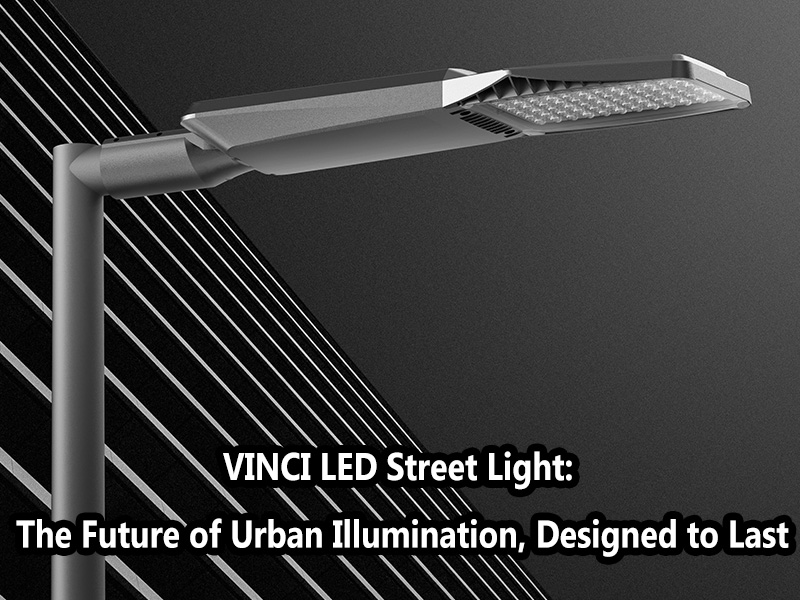

In today’s architectural and interior design landscapes, LED Linear Light has emerged as a fundamental element for creating sophisticated, energy-efficient, and visually appealing spaces. These versatile lighting solutions provide seamless illumination through clean lines and consistent light distribution, making them ideal for everything from commercial buildings and retail environments to modern residential applications. Whether you’re an architect, designer, or property owner, understanding the capabilities and proper implementation of linear LED lighting can significantly enhance both the functionality and aesthetics of any space.
What is LED Linear Lighting?
LED linear lighting comprises long, narrow fixtures that house light-emitting diodes (LEDs) in a linear arrangement. Unlike traditional lighting options, these systems offer unparalleled design flexibility, energy efficiency, and superior light quality. They come in various forms including recessed, surface-mounted, suspended, and flexible strip options, each serving distinct architectural needs.
The global LED linear lighting market continues to expand rapidly, with projections estimating growth to 397 billion RMB by 2031, demonstrating an 11.9% compound annual growth rate.This growth is largely driven by the commercial sector’s shift from fluorescent, halogen, and CFL alternatives to more efficient LED solutions, supported by government initiatives promoting energy-efficient lighting.
Key Technical Specifications and Performance Metrics
Understanding Light Output Requirements
Light output measurements fundamentally determine project success beyond mere fixture appearance. Different environments require specific light levels for optimal functionality.
Commercial spaces: Typically require 50-75 footcandles for general office work
Retail environments: Need 75-150 footcandles to effectively highlight merchandise
Healthcare facilities: Require a minimum of 4000K for accurate color recognition during medical procedures
According to the Department of Energy, proper light levels can increase productivity by 23% in office environments. To calculate your specific needs, multiply your space’s square footage by the recommended footcandle level, then divide by fixture efficiency.
Innovative Product Spotlight: Lumora Linear light
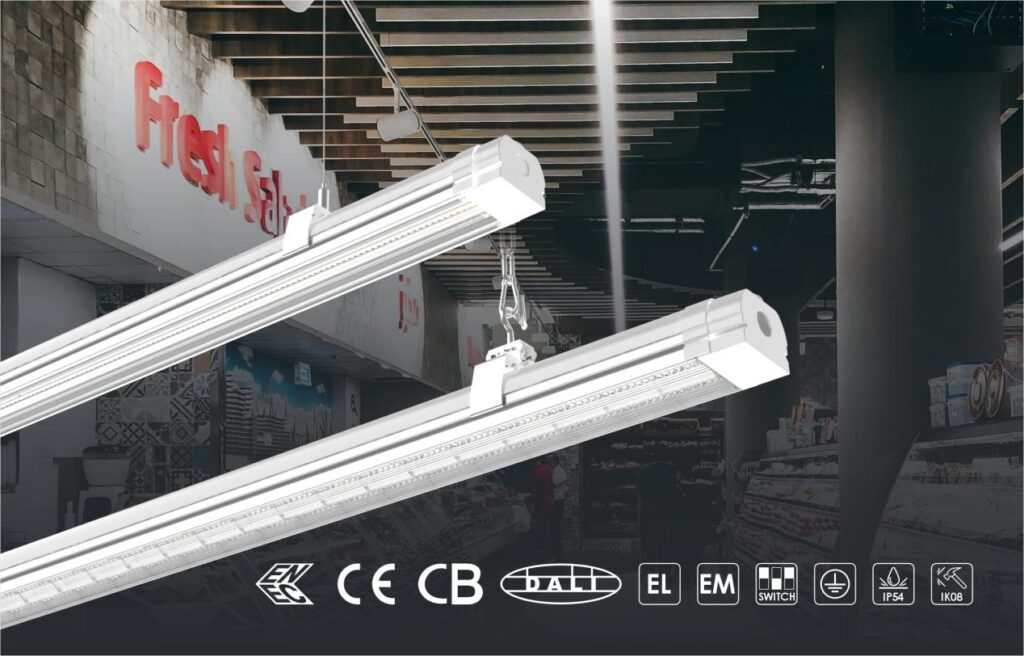
The Nova Linear™ from Acclaim Lighting exemplifies the technological advancements in high-performance linear lighting. Engineered specifically for super high-output graze and linear wash applications, it delivers up to 4,300 lumens per foot—making it particularly suitable for projects demanding exceptional output and throw.
Key Technological Features
ColorDrive™ Technology: Maximizes single-color performance, delivering up to four times the output of traditional color-changing LED fixtures
Hidden Cable Configuration: Enables seamless runs up to 50 feet interconnection at 120V, or 100 feet at 277V.
Multiple Optics Options:60degree, 90 degree ,Asymmetric Photometric distribution.
Performance Specifications
- Operating Voltage: 220-240 VAC, 50/60 Hz
- Power Consumption: 58W per linear light
- Light efficiency:160LM/W
- Environmental Rating: IP54
- Temperature Range: – (-20˚C to 45˚C)
- Dimensions: Available in1.2M with 58w and 1.5M with 78W
Key Technical Requirements
The standard outlines rigorous requirements across multiple dimensions:
Appearance and Structure: Regulates appearance cleanliness, coating integrity, deformation control, product marking, basic structure requirements, and strength specifications
Protection Requirements: Classifies IP protection for different application environments and IK protection for various product parts and components
Photoelectric Performance: Includes initial luminous flux, color tolerance, main wavelength range, beam angle, and cascaded end-to-end luminous flux difference
Projection Performance: Features two key indicators—projected linear brightness uniformity and projection efficiency
Energy Efficiency Indicators: Classifies efficiency levels 1-3 for both rigid and flexible wallwashers based on different color temperature segments
This standardized framework ensures product quality, safety, and performance consistency across the industry while providing specifiers with clear benchmarks for product selection.
Applications Across Environments
Commercial and Office Spaces
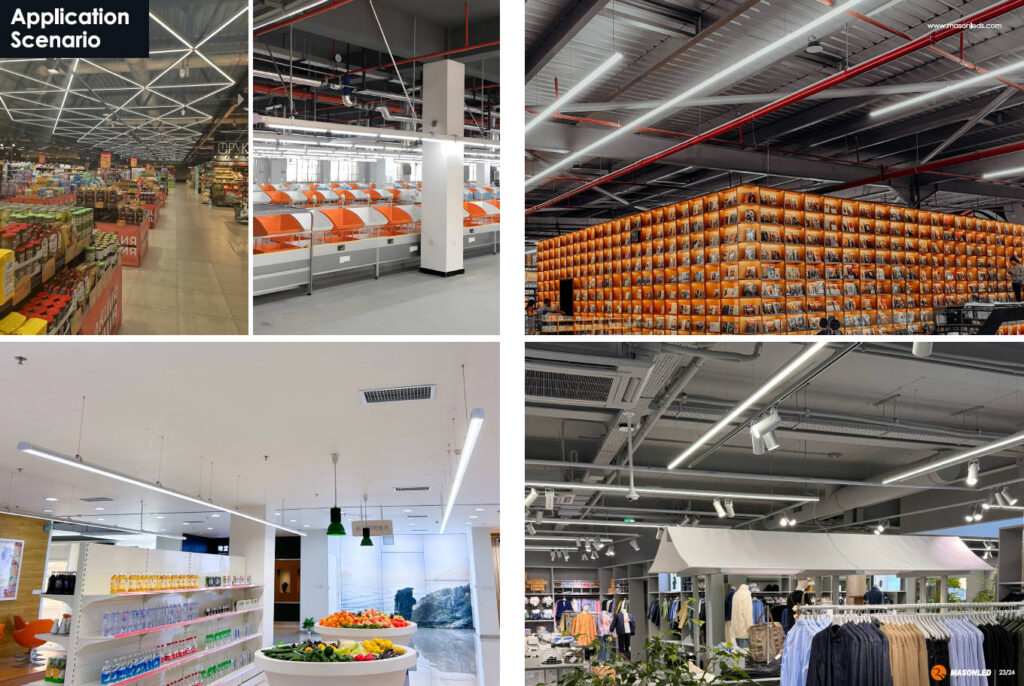
Linear LED lighting has transformed commercial environments through both functional and aesthetic improvements. Suspended linear systems effectively reduce glare on computer screens while providing uniform illumination. The strategic use of color temperatures between 4000K-5000K helps maintain alertness and productivity throughout the workday.
Retail and Hospitality
Retail environments benefit tremendously from linear lighting’s ability to highlight merchandise while creating inviting atmospheres. The use of warmer color temperatures (3000K-3500K) makes products appear more appealing to customers. Linear systems also enable precise accent lighting to draw attention to specific displays or architectural features.
Industrial and Outdoor
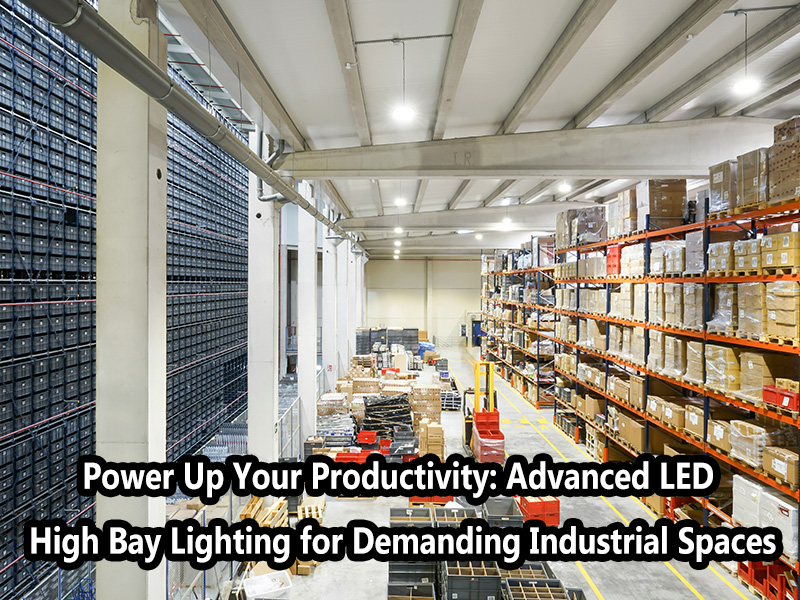
With IP54 ratings available on fixtures like the Lumora Linear light, these lighting systems can operate reliably in demanding environments including warehouses, manufacturing facilities, and outdoor applications. The marine-grade coating available on some fixtures provides additional protection against harsh or coastal environments.
Image suggestion: A retail space effectively using linear lighting to highlight products and create ambiance.
Installation Considerations and Best Practices
Planning for Long-Distance Runs
For extended linear lighting installations, proper planning is essential to avoid performance issues:
Voltage Drop Calculations: Always perform voltage drop calculations for DC systems, or opt for AC-powered fixtures for runs exceeding 15 fixtures.
Power Supply Placement: With DC systems, plan for multiple power injection points to maintain consistent brightness throughout the run
Thermal Management: Ensure adequate heat dissipation, particularly for high-output fixtures and enclosed installations
Control System Integration: Consider control compatibility during planning—DMX control with RDM configuration support, as found in advanced systems like Nova Linear™, provides greater flexibility.
Mechanical Installation
Structural Support: Verify that mounting surfaces can support the fixture weight, particularly for suspended systems
Alignment and Connection: Utilize quick-release connectors and alignment features to ensure perfect straight runs and reliable electrical connections
Environmental Sealing: For outdoor or wet location applications, confirm IP ratings match the environment and properly install all seals
Conclusion
LED linear lighting has evolved from a niche lighting solution to a fundamental architectural element that combines aesthetic appeal with exceptional performance and energy efficiency. Whether through flexible strips for curved surfaces, high-output fixtures for dramatic grazing effects, or seamless recessed systems for clean aesthetics, these lighting solutions offer unparalleled design flexibility.
By understanding the technical considerations, specifiers can create illuminated environments that are both beautiful and functional. As technology continues to advance, with innovations like Lumora Linear light pushing performance boundaries, the possibilities for architectural expression through linear lighting will only expand.