
Comprehensive Analysis of LED Lights: Types, Structure, Applications, and Selection Guidelines
LED lights, or light-emitting diode lamps, emit light through the recombination of electrons and holes in semiconductor materials.
They are energy-efficient and long-lasting, consuming 50%-80% less energy than traditional lighting fixtures with a lifespan exceeding 50,000 hours. Additionally, they offer high brightness, fast response time, compact size, and environmental friendliness (mercury-free). From residential and commercial spaces to outdoor environments and automotive applications, LED lights are widely used across various fields.
LED lights can be classified in various ways. Below are some common classification methods and specific categories:
(I) Classification by Luminous Principle
Organic LED (OLED) Lights: Manufactured based on the principle that organic materials emit light under the action of an electric field. They are characterized by uniform light emission, wide viewing angle, rich colors, and the ability to achieve flexible display and lighting. However, they have higher costs and relatively shorter lifespans, making them suitable for high-end display and special lighting applications.
Inorganic LED Lights: Emit light through electronic transitions in inorganic semiconductor materials. As the most common type of LED lights, they offer advantages such as high luminous efficiency, long lifespan, and good stability, and are widely used in various lighting and display fields.
(II) Classification by Emitted Color
Monochromatic LED Lights: These LED lights can only emit one color of light, such as the common red, green, blue, yellow, and white. They are often used as indicator lights, signal lights, decorative lights, etc.—for example, the red, green, and yellow lights in traffic signals.
Dual-Color LED Lights: Capable of emitting two colors of light, with color switching achieved by controlling the direction or on/off state of the current. For instance, status indicators on some electronic devices use different colors to indicate the device’s working status.
Full-Color LED Lights: Can emit multiple colors of light. Various color changes and combinations are realized by adjusting the brightness ratio of the three primary colors (red, green, and blue, RGB). They are widely used in stage lighting, display screens, landscape lighting, and other fields.
Through-Hole LED Lights: The pins are directly inserted into the holes of the circuit board for soldering. Featuring a simple structure and low cost, they are often used in simple applications such as indicator lights.
SMD LED Lights (Surface Mount Device LED Lights): The LED chips are mounted on the circuit board via surface mount technology. With advantages including small size, high brightness, and good heat dissipation, they are widely applied in various lighting and display fields.
High-Power LED Lights: Generally referring to LED lights with relatively high power (usually above 1W), they are characterized by high brightness and high heat dissipation requirements. They are commonly used in high-brightness scenarios such as outdoor lighting and automotive lighting.
Thanks to numerous advantages such as energy efficiency, long lifespan, high brightness, and fast response time, LED lights are widely used in various fields. Below are some major application scenarios:
(I) Residential Lighting
Living Room Lighting: LED ceiling lights can be selected as the main light source to provide uniform overall illumination. They can be paired with LED spotlights or track lights for accent lighting—such as illuminating TV backdrops, decorative paintings, and other focal points.
Bedroom Lighting: LED chandeliers or ceiling lights serve as the basic lighting for bedrooms. Additionally, LED wall lamps or table lamps can be installed beside the bed to create a warm reading environment.
Kitchen Lighting: LED downlights or panel lights can be mounted on the kitchen ceiling to deliver bright overall lighting. LED strip lights installed under cabinets facilitate cooking and food preparation.
Bathroom Lighting: LED vanity lights provide clear facial illumination for washing and makeup. Waterproof LED ceiling lights can be installed above the shower area and toilet.
(II) Commercial Lighting
Shopping Malls & Supermarkets: LED spotlights and track lights are used for merchandise display to highlight product features and textures; LED panel lights are installed for ceiling lighting, creating a comfortable shopping environment.
Hotels & Restaurants: LED chandeliers, wall lamps, and table lamps can create diverse atmospheres and styles to meet the needs of different occasions; LED panel lights or downlights are suitable for restaurant kitchens and storage rooms.
Office Buildings: LED grille lights and panel lights are commonly used in office spaces, featuring high efficiency, energy saving, and comfort; LED lighting fixtures can be selected according to specific needs for meeting rooms and reception areas.
(III) Outdoor Lighting
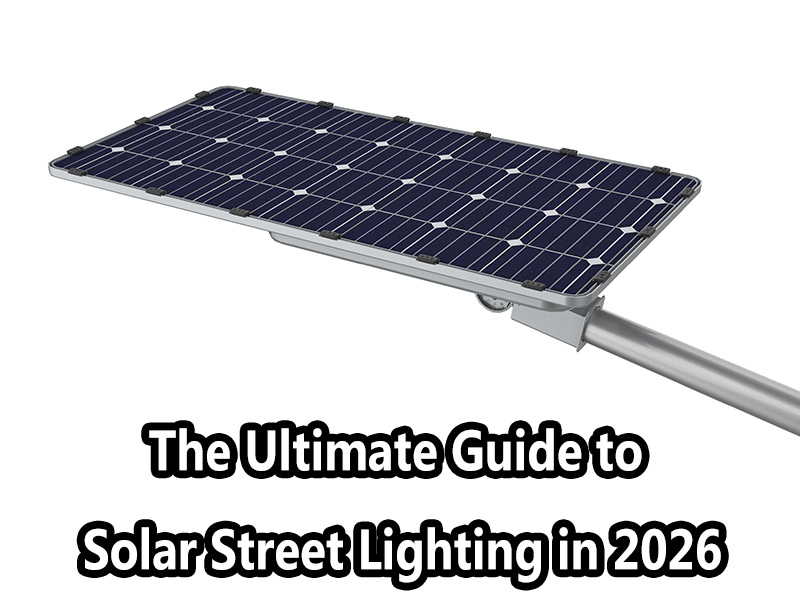
Street Lighting: LED street lights offer advantages such as high brightness, long lifespan, and energy efficiency, effectively enhancing road safety and visibility.
Landscape Lighting: LED lights are applied in landscape lighting of parks, squares, scenic spots, etc., creating various stunning night scenes. For example, LED wall washers can illuminate building facades, and LED in-ground lights are used for lighting squares and gardens.
Traffic Lighting: LED traffic signals are essential tools for traffic control, with merits of high brightness, fast response, and long lifespan; LED lighting fixtures are also widely used in transportation hubs such as airports and ports.
(IV) Other Fields
Automotive Lighting: LED headlights offer advantages such as high brightness, low energy consumption, and fast response time, which can enhance driving safety. LED turn signals, brake lights, and fog lights have also gradually become the mainstream choice for automotive lighting.
(IV) Other Fields (Continued)
Medical Lighting: LED surgical shadowless lamps provide high-brightness and uniform illumination to reduce surgical shadows; LED medical examination lamps are used for various inspections and diagnoses in hospitals.
Horticultural Lighting: LED grow lights can simulate the light conditions required for plant growth, promoting plant growth and development. They are widely applied in greenhouse cultivation and plant factories.