
I. A New Era in Lighting: The Integration of Intelligence and Energy Efficiency
The global lighting market is shifting from simply “providing light” to “providing light intelligently,” making dimming capabilities a standard requirement for industrial, commercial, and outdoor lighting. Businesses face core challenges in high-intensity lighting scenarios (like factories, streets, and large malls): achieving significant energy savings, improving lighting comfort, and reducing maintenance costs. The solution lies in Dimmable LED technology, and choosing a technically proficient ODM manufacturer is key to its successful implementation.
II. Key Technology Deep Dive: Why “Dimmable” is Core to High-End Lighting
-
Introduction to Dimming Technology Principles:
Mainstream dimming protocols primarily include:-
0-10V Dimming: A simple, stable, low-cost analog protocol using a 0-10V voltage signal to control brightness. Valued for its reliability and ease of maintenance, it’s widely used in industrial settings like factories and warehouses with high-bay lights, where stable group control suffices and individual lamp control is not critical.
-
DALI Dimming: A digital protocol supporting two-way communication. Each luminaire has a unique address, enabling precise individual control, status monitoring, and scene setting. This makes it a favorite for smart city streetlights, meeting needs for remote monitoring, fault alarms, and on-demand lighting.
-
Wireless Dimming (Zigbee/Bluetooth): Controlled via wireless signals, eliminating the need for separate control wiring and offering flexible installation. Ideal for smart homes, retrofit projects, and as a supplement to smart streetlight systems, facilitating integration into IoT platforms.
-
PWM Dimming: A fundamental technique achieving excellent dimming by rapidly switching the current, typically built into the LED driver, ensuring high-quality, flicker-free performance.
In summary, the choice depends on the application: industrial settings prioritizing stability and cost often use 0-10V, while scenarios like smart cities requiring granular management prefer DALI or wireless technologies.
-
-
Core Value of Dimmable Lighting:
-
Maximum Energy Savings: Enables “lighting on demand,” drastically reducing waste from over-lighting and lowering electricity costs.
-
Extended Lifespan: Reduces operating current and temperature, significantly prolonging luminaire life.
-
Enhanced Comfort & Flexibility: Allows seamless brightness adjustment based on time, scenario, or activity, improving the environmental experience.
-
Compliance with Green Standards: Helps projects achieve certifications like LEED and BREEAM.
-
III. Analysis of Product Segments & Application Scenarios
-
-
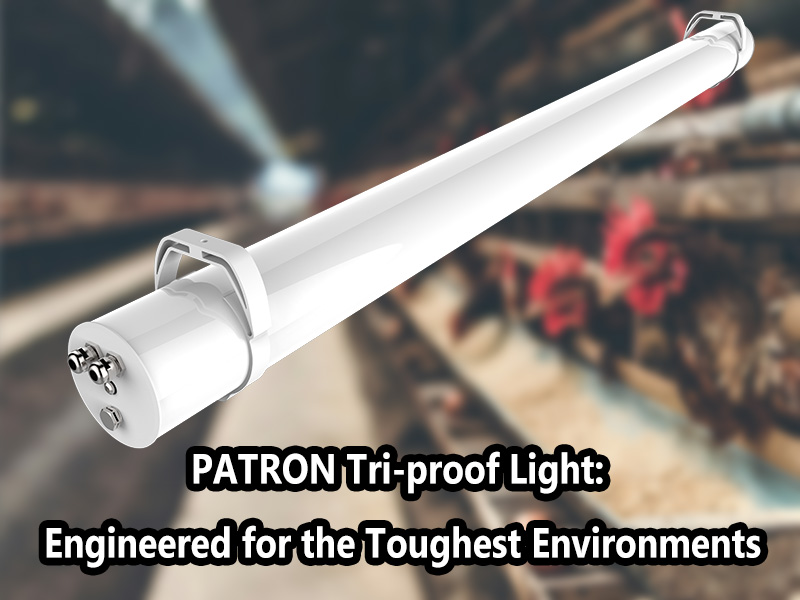
Features: Dustproof, waterproof, corrosion-resistant (potentially explosion-proof), built for harsh environments.
-
Applications: Food processing plants, cold storage, parking garages, underground passages, car washes.
-
Dimming Need: Adjusts light levels based on varying foot or vehicle traffic at different times for energy savings.
-
-
-
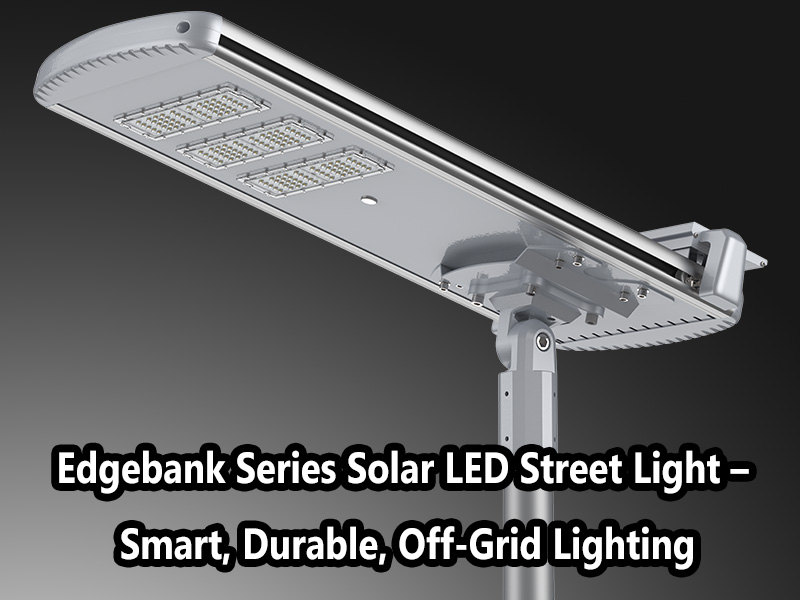
Features: High efficacy, long lifespan, precise light distribution, integrated smart control interfaces.
-
Applications: City main roads, residential streets, parks, highways.
-
Dimming Need: Automatically reduces power output late at night (e.g., alternating lights or uniform dimming), acting as nodes in smart city IoT networks.
-
-
-
Features: High brightness, glare control, suitable for installation in tall spaces.
-
Applications: Logistics warehouses, manufacturing workshops, aircraft hangars, sports arenas.
-
Dimming Need: Enables zone control, integration with daylight harvesting sensors, and adaptation to different operational modes (e.g., cleaning mode, production mode).
-
IV. Why Choose the ODM Model? Value Beyond Simple Procurement
-
What is ODM? The ODM provider offers a complete solution from design, R&D to manufacturing.
-
Advantages of an ODM Manufacturer:
-
Customization Capability: Deep customization based on specific project needs (size, wattage, CCT, dimming protocol, aesthetics).
-
Technical Integration Strength: Strong ODMs expertly integrate dimming drivers, smart modules, and luminaire structure, ensuring system stability.
-
Cost-Effectiveness: Economies of scale and vertical integration lead to more competitive pricing.
-
One-Stop Service: Provides technical support, certification assistance (UL, DLC, CE, RoHS), logistics, and after-sales service, simplifying the process for you.
-
Focus on Core Business: Allows buyers to concentrate on their own brand building and market sales.
-
V. How to Identify a High-Quality Dimmable LED Lighting ODM Partner
-
Technical R&D Capability: Does they have an independent R&D team? Can they offer multiple dimming solutions?
-
Product Quality & Certifications: Are international certifications in place? What warranty terms are offered?
-
Production & Testing Equipment: Are automated production lines used? How is product consistency and reliability ensured?
-
Project Cases & Experience: Are there successful cases in similar fields? Can they provide references?
-
Communication & Service: Are they responsive? Do they strive to understand your needs and offer professional advice?
VI. Future Outlook
-
IoT Integration: Luminaires will become data collection points within the Internet of Things.
-
Li-Fi (Light Fidelity): Utilizing light for wireless data transmission.
-
Advanced Human-Centric Lighting: Automatically adjusting light spectrum and intensity based on human circadian rhythms.
-
Predictive Maintenance: Using system data to pre-emptively warn of potential luminaire failures.